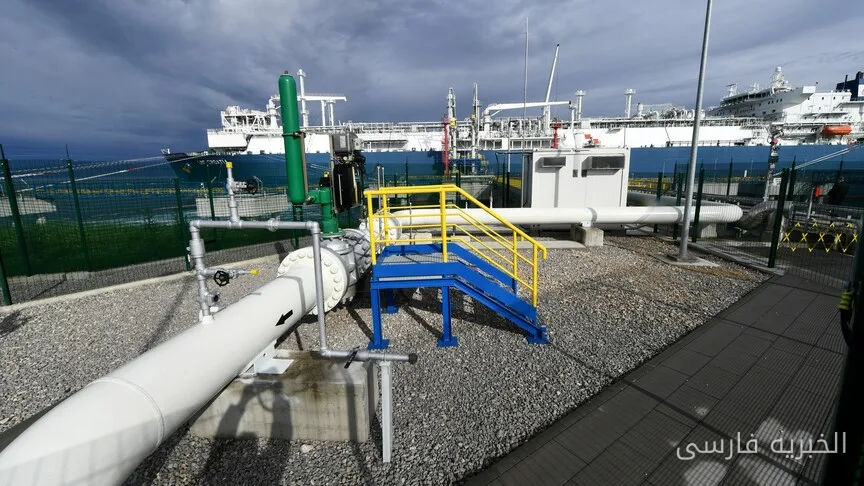
The increase in fuel prices in Syria has significantly led to nationwide protests in the country. The price of diesel fuel has reached 175 Syrian pounds (equivalent to $1.32) per liter after a 40% increase, which has caused public discontent.
Protests and Road Blockages
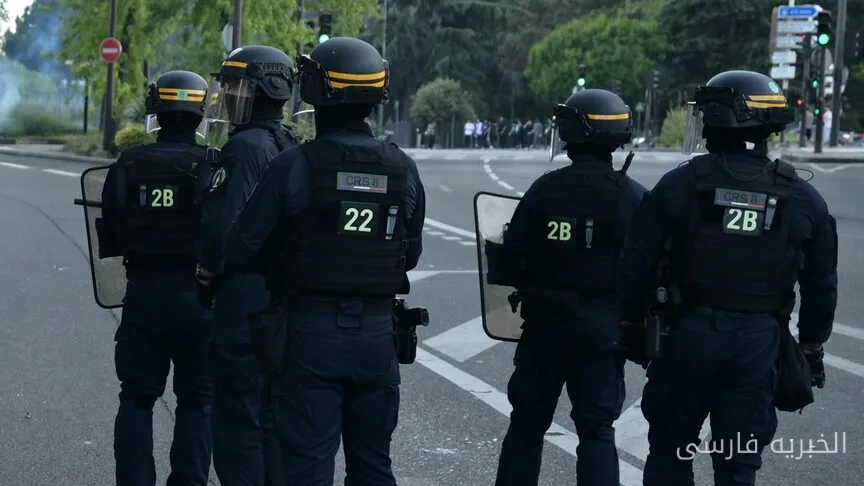
Protesters, in response to the government's decision to raise fuel prices, set fire to tires and blocked main roads, including the highway connecting Damascus to Aleppo. These protests reflect the deep dissatisfaction of the people with the current economic and living conditions in the country.
Read more: Decrease in Gold Prices in Egypt Affected by Market Fluctuations
Clashes and Consequences
Following these protests, clashes have also occurred between protesters and internal security forces. This unrest is considered the largest protests in Syria since the ousting of Bashar al-Assad, the country's president, in December 2024. Experts believe that these protests could have serious consequences for the Syrian government and the political stability of the country.
Moreover, the increase in fuel prices has not only fueled public discontent but could also impact the prices of other goods and services. It seems that these developments may present new challenges for the Syrian government and require more thorough investigations.
Read more: Significant Step by Paris and Baghdad for the Development of Bilateral Cooperation · Main Challenges for Kurds After the Dissolution of Syrian Democratic Forces