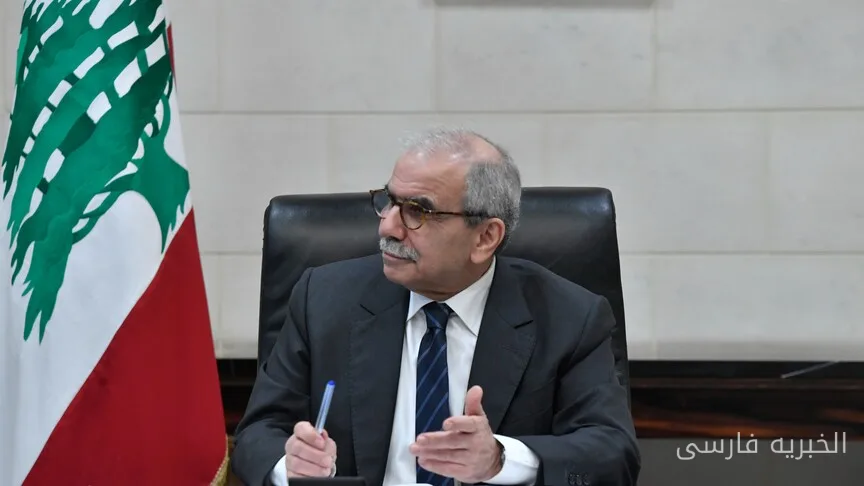
Nawaf Salam, the Prime Minister of Lebanon, stated in a speech in Parliament on Tuesday that the reconstruction and improvement of conditions in Lebanon require Arab and international support and significant financial resources from abroad, as the scale of destruction exceeds the current resources of the government.
Emphasis on the need for reforms and trust
Salam said in this speech: "We must be honest with the people of Lebanon: the scale of destruction is much larger than the capacity of the government." He added: "Therefore, reconstruction and improvement of conditions require Arab and international support and significant financial resources from abroad."
Read more: The U.S. faces economic challenges ahead of the midterm elections
The Prime Minister of Lebanon considered the connection between financing and restoring trust and implementing reforms to be important, stating: "Without financing, sustainable reconstruction is not possible, and without trust, there will be no financing, and without a capable government, trust will not be established. Achieving a capable government, of course, requires reforms."
Consequences of war and cost estimates
Regarding the Israeli invasion of Lebanon, Salam stated that Beirut "did not choose the war imposed on the country." He added: "We were not even asked to give our opinion about entering it. This war was imposed on us at a time when the deep wounds of the 2023-2024 war had not yet healed."
According to Salam's statements, the World Bank estimates the total cost of the first war, which began on October 8, 2023, to be around $14 billion. He said this figure includes about $7.2 billion in physical damage and approximately $6.8 billion in economic losses due to disruptions in activities and reduced production and revenues.
Regarding the recent Israeli invasion that began in March, he stated that the World Bank estimates its direct cost to be between $3 to $4 billion. Salam added that this estimate does not include broader economic costs beyond physical destruction, which are estimated to be between $4 to $5 billion based on initial estimates.
Lebanon has been severely affected by two deadly invasions since October 2023, leading to widespread destruction, significant damage to infrastructure and homes, and exacerbating the country's economic losses.
On June 26, Beirut and Tel Aviv signed an agreement in Washington that includes the gradual withdrawal of Israel from Lebanese territory and the deployment of the Lebanese army in areas vacated by Israeli forces. However, Israel continues its attacks on southern Lebanon and still occupies areas in the south, some of which have been occupied for decades and others in recent wars and military operations.
Read more: Protests in Syria against the economic policies of the Abu Muhammad al-Julani regime · U.S. military use of Precision Strike Missile in the war against Iran