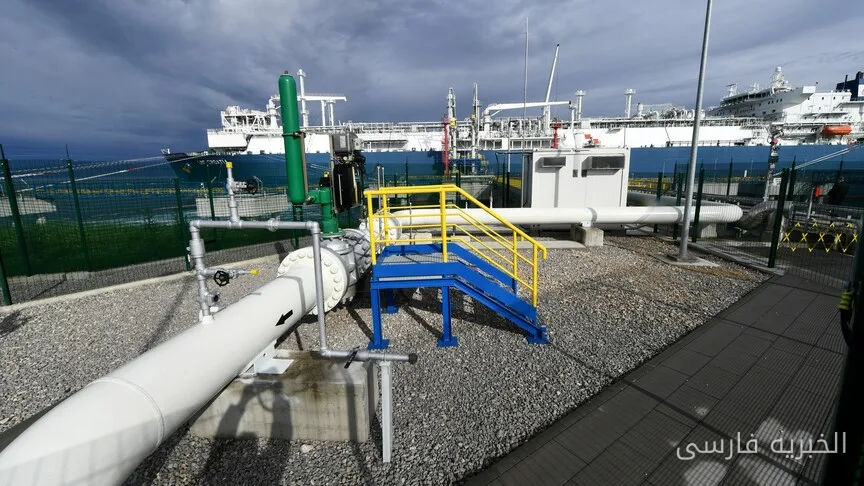
Europe is facing relatively low gas reserves on the brink of winter, while disruptions in liquefied natural gas (LNG) supply have driven prices up. On September 8, natural gas prices in Europe reached their highest level in over three and a half years, as escalating tensions between the United States and Iran disrupted LNG supply from the Gulf and closed the Strait of Hormuz.
Storage Status and LNG Supply
The decrease in LNG inflows has slowed the pace of gas storage ahead of winter. Qatar, one of the largest LNG exporters in the world, has largely suspended shipments and extended force majeure for its cargoes to European and Asian markets until fall. According to Gas Infrastructure Europe, EU storage facilities were about 68 percent full as of September 14, which translates to nearly 772 terawatt hours of gas in storage. This level remains below the 90 percent storage target that the EU typically aims for before winter.
Read more: Turkey and Syria on the Path to a $10 Billion Partnership with Erdogan's Visit to Damascus
Implications of Prices and Low Reserves
Bill Farren-Price, a senior researcher at the Oxford Institute for Energy Studies, stated, "We are now at the highest prices since the start of the Iran crisis, but still significantly lower than the peaks we saw in 2022." He attributed the current pressure to the bottlenecks in global LNG markets. Analyses indicate that Europe's low reserves, high Asian demand, and limited new LNG supply growth almost guarantee that prices will remain high this winter and until 2027.
Arsah Pasco, senior gas analyst for Europe at Energy Aspects, noted that the state of reserves is not only about the amount of gas available underground but also about whether reserves can quickly supply gas during peak demand periods. She pointed out that Europe's withdrawal capacity significantly begins to decline when reserves drop below about 40 percent.
Analyses suggest that Europe may reach about 75 billion cubic meters, or 69 percent capacity, by the end of October, which would be the lowest reserve level in 14 years. Furthermore, it is expected that if the Strait of Hormuz remains closed for another two months, reserves will fall below 70 percent. New analyses also indicate that gas prices in Europe will likely need to rise above 100 euros (117 dollars) per megawatt-hour in December for the continent to sufficiently rebuild reserves for winter.
Given these conditions, Pasco noted that current forecasts do not indicate that Europe will face a gas shortage, but the market must operate in a balanced manner, and prices must remain high enough to preserve reserves and attract LNG demand. With a lack of new LNG supply expected in the next 9 to 12 months, countries like Germany, France, the Netherlands, and Slovakia appear to be significantly lagging in their supply efforts.
Read more: Unemployment Rate in the UK Rises to 4.9 Percent · Wholesale Prices in Germany Rise by 6.8 Percent in August 2023