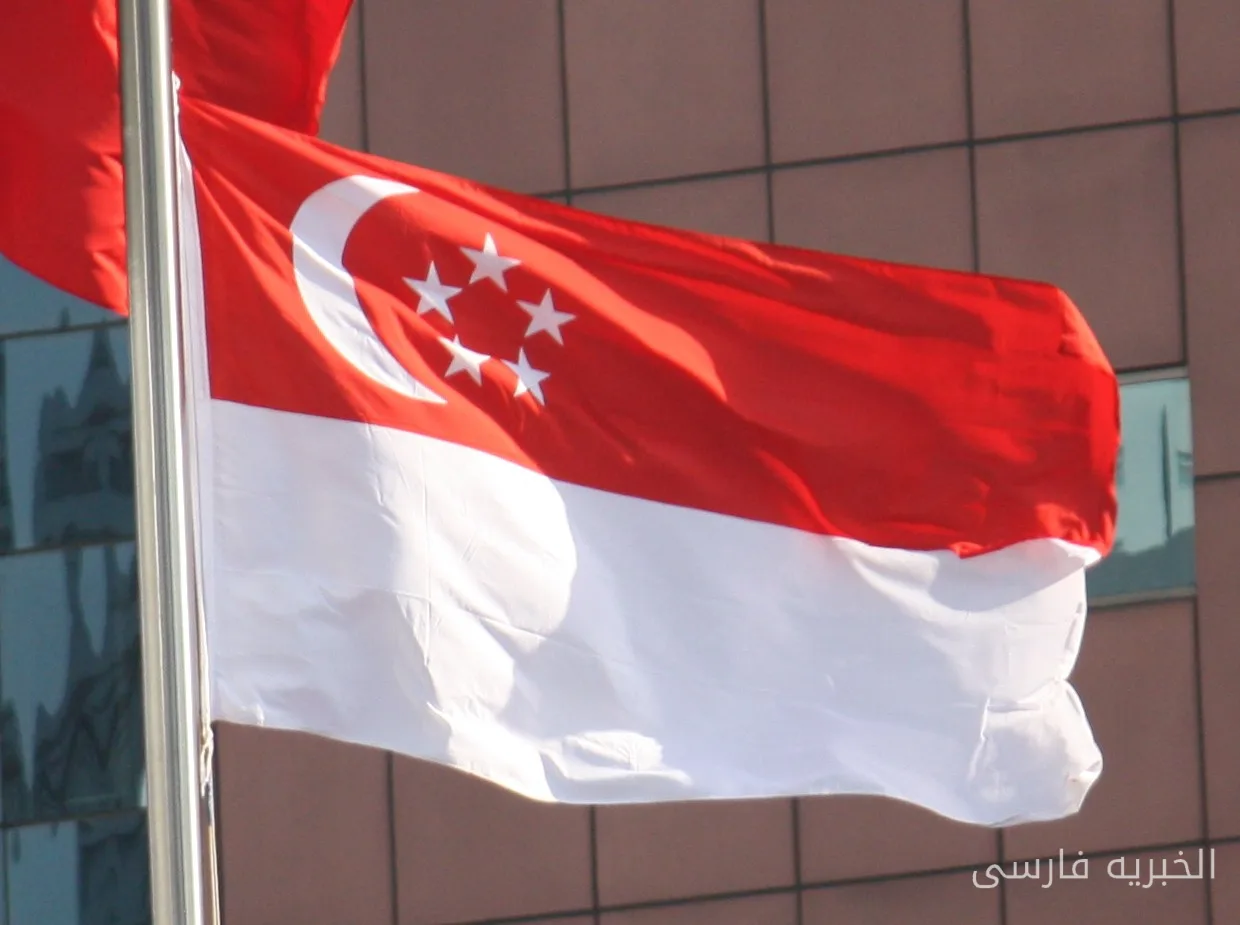
Cambodia and Thailand presented their positions on their long-standing maritime dispute on Tuesday at a committee held under UN auspices in Singapore. Cambodia called for a comprehensive border agreement while Thailand emphasized the preservation of its sovereignty and maritime rights.
Cambodia's Position and Its Representative
Prak Sokhonn, Deputy Prime Minister and Minister of Foreign Affairs of Cambodia, stated in the meeting that his country chose this process to adhere to the rule of law and to peacefully resolve disputes. He expressed that Cambodia is seeking a solution that "benefits the people of both countries and contributes to peace, cooperation, and shared prosperity in the region."
Read more: Iran's Foreign Minister visits China
Thailand's Position and Its Representative
Thai politicians also addressed their positions at the meeting. Sihasak Phuangketkeow, Minister of Foreign Affairs of Thailand, emphasized that Bangkok will firmly defend its sovereignty and maritime rights while adhering to international laws. He also added that Thailand stresses the peaceful resolution of disputes but reminded that the 2001 memorandum of understanding governing overlapping claims has brought "no tangible progress."
Sihasak also noted that these sessions pertain to the determination of maritime boundaries in the Gulf of Thailand and do not include sovereignty over Koh Kut Island. Cambodia initiated compulsory arbitration under the United Nations Convention on the Law of the Sea (UNCLOS) after Thailand canceled the 2001 memorandum in May.
Reconciliation Commission Sessions
The first session of the reconciliation commission began on Monday in Singapore and will continue until Wednesday. These sessions provide an opportunity for both countries to express their views on the disputed issues and to strive for a common agreement.
The maritime dispute between Cambodia and Thailand has persisted for a long time and has significant political and economic dimensions. This dispute could impact the relations between the two countries as well as regional security and stability. Given the importance of this issue, the outcomes of these sessions are expected to have a significant impact on the future relations between the two countries.
Read more: China warns against the deployment of Japan's strategic offensive weapons · Hassan Rouhani: US and Israeli attacks indicate the instability of an economy without security