The United States military has used 70 Patriot missile defense systems and over a dozen Terminal High Altitude Area Defense (THAAD) systems in response to a recent Iranian ballistic missile attack on Jordan. This action reflects the increasing pressure on America's air defense reserves.
Details of the Attack and Response
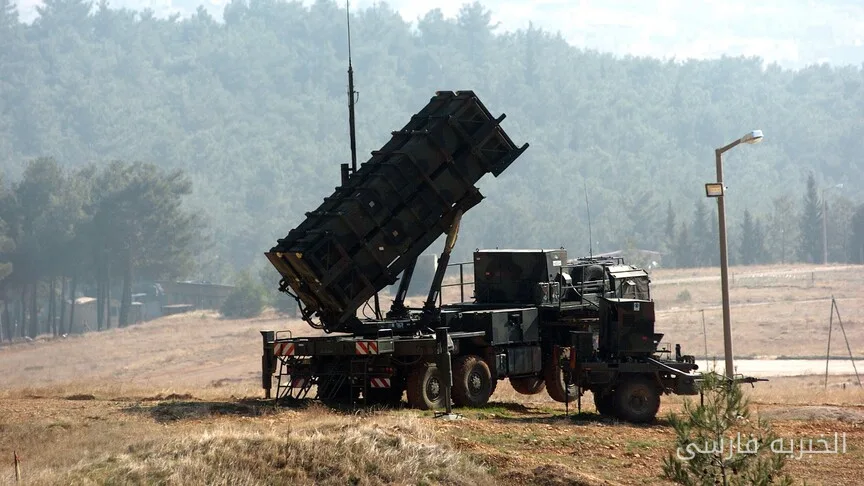
American forces fired between 60 to 70 Patriot missile defense systems against approximately 20 ballistic missiles, and in addition, more than a dozen THAAD systems were also deployed. The number of systems used is roughly equivalent to what the U.S. Army employs in a week in other conflict areas.
Read more: Bashar al-Assad's New Game: The Syrian President's Visit to Aleppo Neighborhoods
Consequences of the Attack and Current Situation
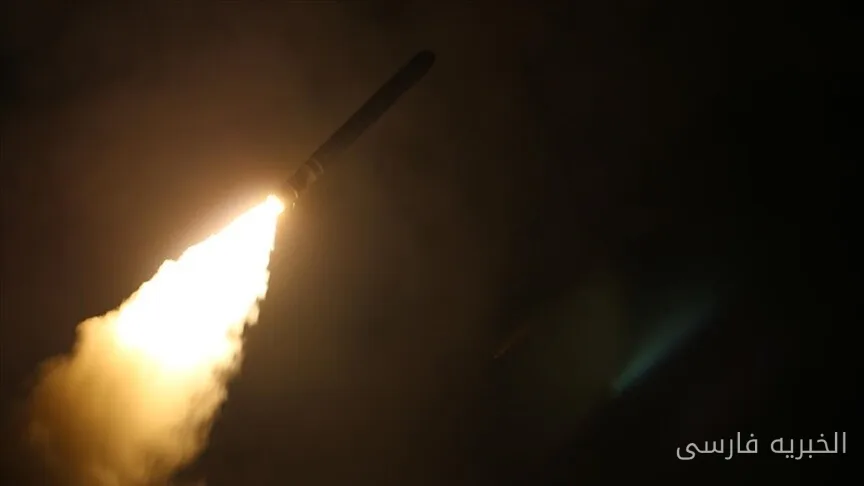
Iran reportedly used warheads that split into multiple projectiles as they approached their targets, complicating efforts to counter them. The air defense was unable to stop all incoming threats, and Iran attacked warplanes and other aircraft at the successful Salehi airbase in Jordan. However, no American personnel were killed in this recent attack.
Iran's attacks have gradually become more complex during the conflicts, utilizing various types of missiles and warheads to penetrate U.S. defenses. U.S. Central Command did not respond to requests for comment on this matter, while the Pentagon denied claims of a reduction in American weapon stocks.
The U.S. government has also emphasized that it possesses significant missile reserves and is increasing their production. However, the Department of Defense's Inspector General reported that the conflicts have led to strategic shortages in inventory and issues in the weapons supply chain.
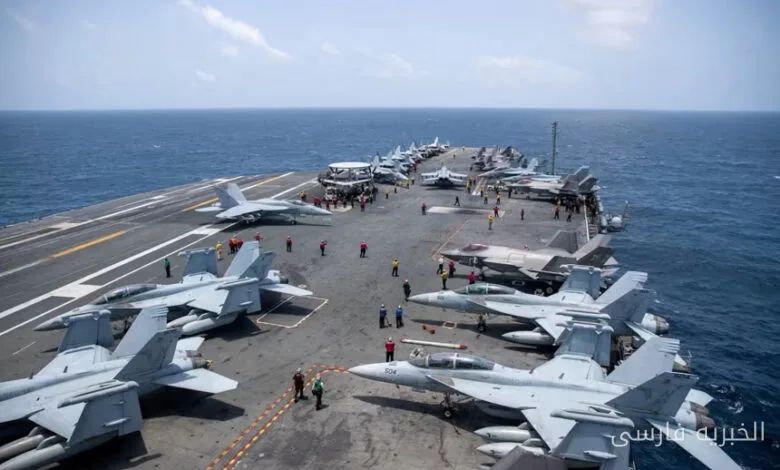
Since early July, the United States has deployed nearly 1,700 Patriot missile defense systems and over 200 THAAD systems throughout the conflicts. Additionally, U.S. Navy ships have fired approximately 150 Standard missile systems against Iranian missiles and drones.
Lockheed Martin, the manufacturer of the Patriot defense systems, produced 620 systems in 2025 and is working to increase its annual production to around 2,000 systems.
Read more: U.S. Inspection Report on 'Epic Fury' Operations and Casualties of the Iran War