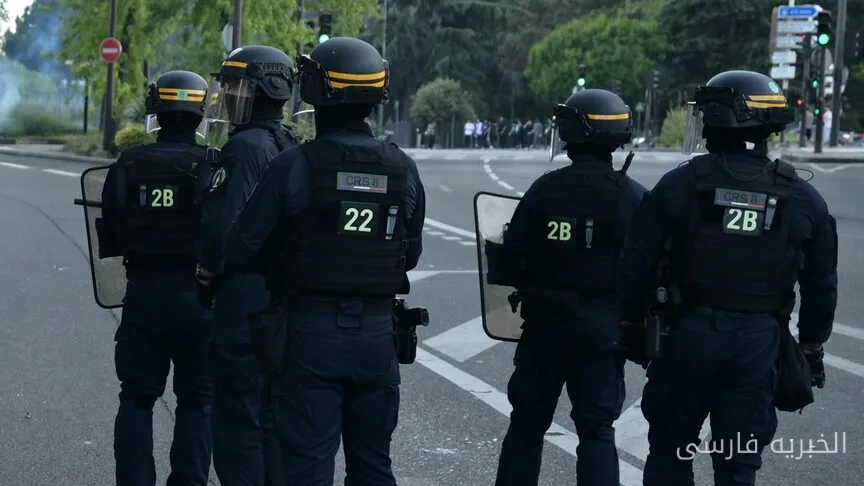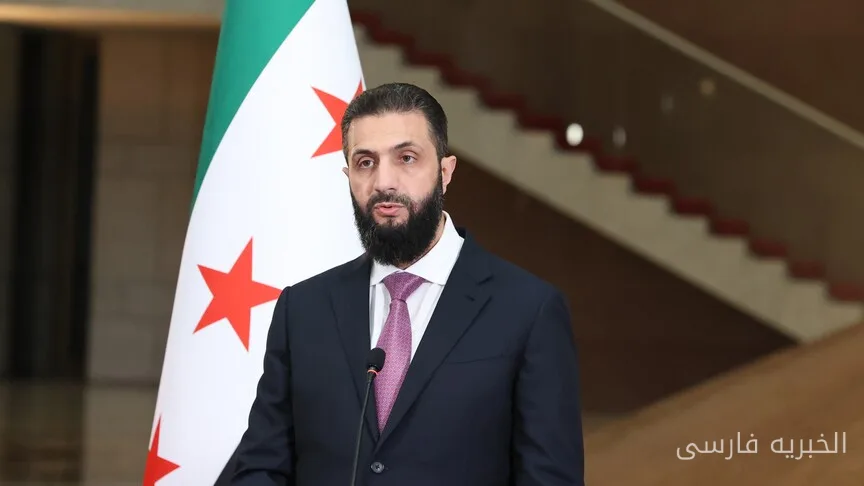
The protests of the people of Syria against the economic policies of the Abu Mohammad al-Julani regime have entered a new phase. Reports indicate that protesters in the cities of Aleppo, Idlib, Hama, Rif Dimashq, Daraa, Raqqa, Deir ez-Zor, and Hasakah have expressed their opposition to the living conditions by holding widespread demonstrations. These protests, which quickly took on a confrontational tone, have been accompanied by the burning of car tires and the blocking of main and international routes.
Change in Protesters' Slogans
A notable aspect of the recent protests is the shift in the direction of the protesters' slogans. Unlike previous protests, this time the demonstrators have directly held the Abu Mohammad al-Julani regime responsible for the dire economic conditions and have chanted slogans aimed at overthrowing this establishment. Field reports indicate that protesters have attacked several police stations in various cities, demonstrating the failure of security mechanisms to contain public anger.
Read more: The United States Imposed 50% Tariffs on 110 Canadian Products
Response from the Syrian Ministry of Energy
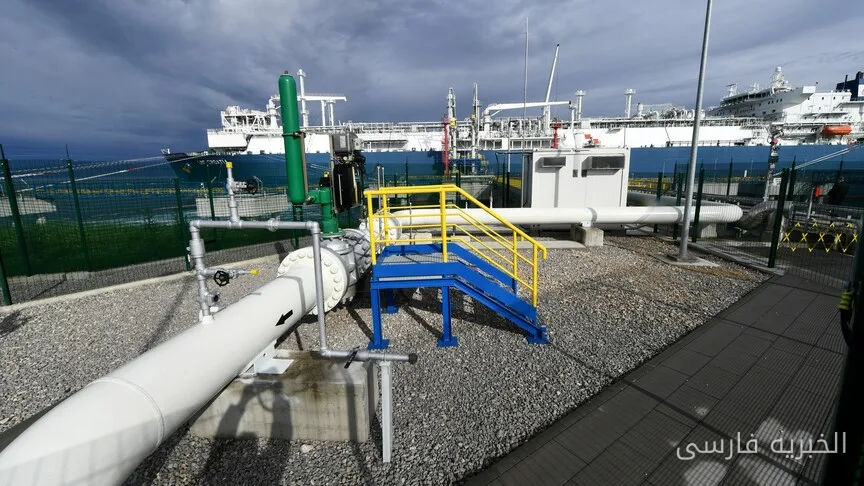
In response to these tensions, the Syrian Ministry of Energy attempted to attribute the roots of this crisis to technical and global factors through a statement. The ministry announced that the increase in fuel prices was due to "exceptionally high global energy supply costs" and simultaneously the "shutdown of the Baniyas refinery for major repairs." This justification seems to have not yet been convincing to the angry public opinion.
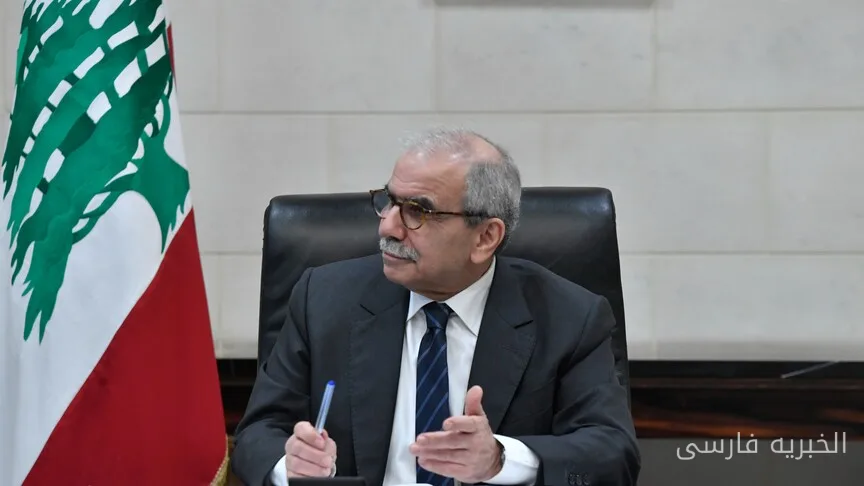
The acute situation has also affected the political atmosphere within the parliament. In this regard, several members of the Syrian parliament have signed a joint request calling for an urgent meeting with Mohammad al-Bashir, the Minister of Energy of the country. These representatives emphasize that the government must provide practical and immediate solutions to prevent the spread of instability caused by rising transportation and food prices, which directly target the livelihoods of the lower-income classes of society.
Security and Political Challenges
Political observers believe that the simultaneous fuel crisis with a recession in other sectors has placed Syria in a "spiral of crisis." The blockage of transportation routes and instability in urban centers indicate that if the government cannot relieve pressure on the middle and lower classes in the short term through subsidy tools or emergency fuel supply, the current protests could become a persistent security challenge for the power structure in Damascus.
Read more: The Ukrainian Government Proposed Halting Attacks on Energy Infrastructure · Eurozone Bond Yields Reached Their Highest Level in 17 Years