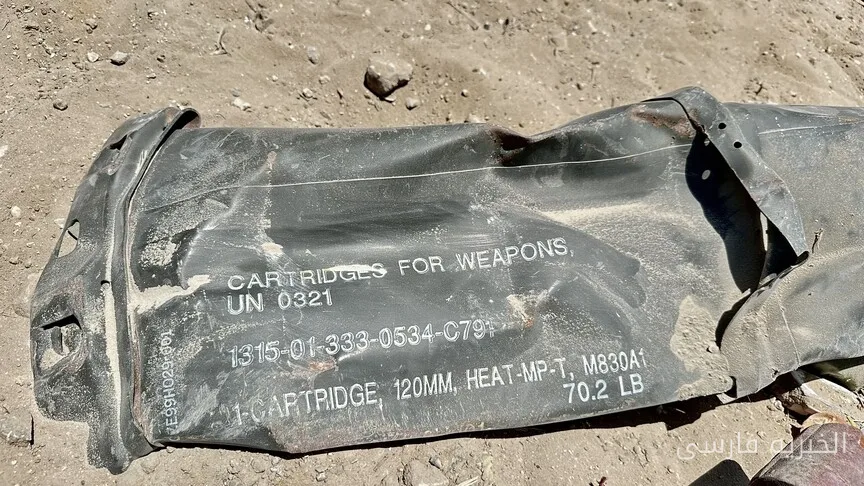
On Tuesday, China called for political and diplomatic solutions to the Iran-U.S. war. This request was made after Pentagon inspectors reported a shortage of ammunition resulting from this war.
Military Observers and Ammunition Shortages
Guan Jiaokun, spokesperson for the Chinese Ministry of Foreign Affairs, stated at a regular press conference: "We are monitoring the situation in the Middle East and the Gulf region." He added: "We hope the relevant parties can resolve their differences through political and diplomatic means."
Read more: The Migration Movement of Yemenis to Djibouti and Its Consequences
These remarks came in response to the first report from Pentagon inspectors, which indicates that the ammunition consumed in the four-month U.S. war with Iran has led to a "reduction in strategic stocks" and revealed bottlenecks in the defense industrial base.
Pentagon Report and Industrial Challenges
The report stated that increasing ammunition production requires "significant lead time" and that key bottlenecks include solid rocket motors, high-quality explosives, and skilled labor in production. This could pose serious challenges for the United States as the war continues.
Analysts believe that ammunition shortages could lead to the continuation of the war and increased tensions in the region. Meanwhile, China, as a global power, is seeking to play a larger role in regional stability and security.
Currently, tensions in the Gulf and the Middle East are rising, which could have widespread implications for global security and oil markets. China, as a key player in this space, emphasizes the importance of diplomacy and international cooperation.
Read more: A New Theory by a Californian Astrophysicist About the Absence of a Moon on Venus · Saudi Airstrikes on Airport Controlled by Rebels in Yemen