Bab-el-Mandeb Strait, a narrow water passage, separates the Arabian Peninsula from the African continent. To the north, this strait connects the Red Sea to the Gulf of Aden and the Indian Ocean, while to the south, it provides access to the Suez Canal and the Mediterranean Sea. Before the current wars, this strait carried about 30 percent of global container traffic.
Goods such as cars, furniture, food, and energy pass through this passage, which is only about 20 miles wide at its narrowest point. Without access to this strait, ships would have to navigate around the southern tip of Africa and the Cape of Good Hope to travel between Asia and Europe, leading to increased travel time and costs for goods.
Read more: U.S. Department of Defense Reports Ammunition Shortages Due to War with Iran
Iran's Role in Bab-el-Mandeb Strait
The ongoing conflicts with Iran have shifted attention to the Strait of Hormuz and the global dependence on its energy traffic. By attacking ships in the Strait of Hormuz, Iran seeks to increase pressure on Washington to end the war and achieve peace. This tactic, which Iran employed years ago in Bab-el-Mandeb Strait, has recently been revived with the increased activities of its allied forces in Yemen.
Bab-el-Mandeb literally means "Gate of Tears." Some legends attribute its name to ancient earthquakes and floods that separated Africa from Arabia and claimed thousands of lives. Although the exact date of this naming is unclear, the strait is generally not well known.
Iran's Strategy in the Region
Since 1979, the revolutionary government of Iran has sought to expand its ideology and influence in the Middle East. This is primarily carried out through the Islamic Revolutionary Guard Corps and its Quds Force, which trains and equips armed groups across the region. These groups include Hezbollah in Lebanon, Hamas and Islamic Jihad in Gaza, and militants in Iraq who have frequently attacked U.S., Israeli, and Saudi forces.
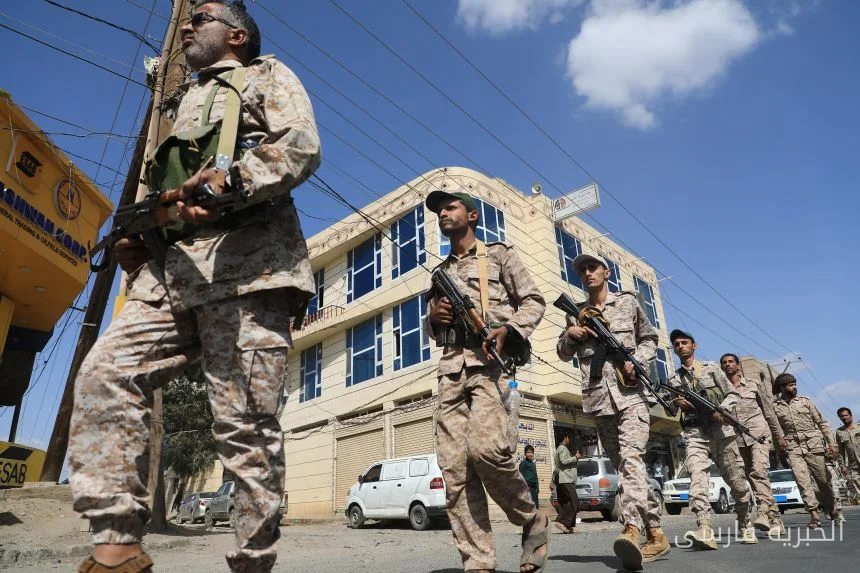
The Houthi movement in Yemen is also one of these groups that is gradually becoming an Iran-affiliated force. This movement emerged in the late 1980s and 1990s as a Zaidi revivalist movement and evolved into a political and military force under the leadership of Hussein al-Houthi.
In 2014, the Houthis seized Yemen's capital, Sana'a, forcing the government to retreat, which led to Saudi military intervention. Although Iran did not create the Houthis, Iranian weapons and training helped them transform a local uprising into a global force.
As Joe Biden was about to enter the White House, the war in Yemen had become a significant issue. The Biden administration aimed to end the humanitarian crisis in Yemen and, to this end, changed several previous policies.
Meanwhile, the United States, considering its interests in the region, reduced its military presence in the Middle East and turned towards diplomacy. In this context, Iran continued to strengthen the Houthi forces and provide necessary weapons and training.
Read more: Bashar al-Assad's New Game: Syrian President's Visit to Aleppo Neighborhoods · Yemeni Forces Target Three Houthi Drones in Taiz and Shabwa