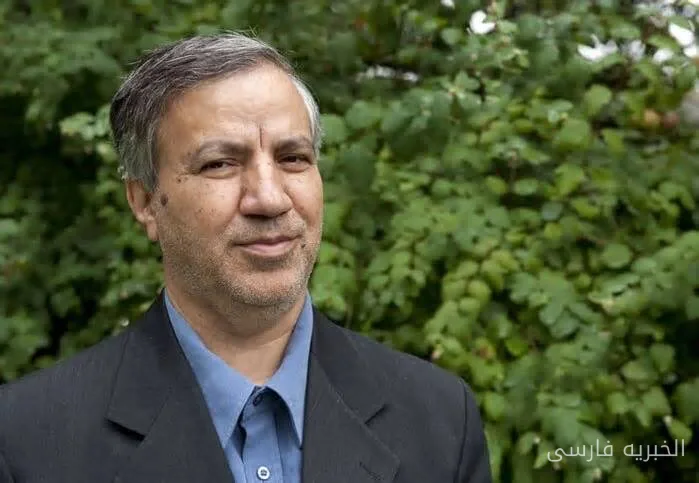
Seyed Attaollah Mohajerani, in a note published in a newspaper, analyzes the evolution of collective identity, sacred status, and historical resistance of Yemen from the early days of Islam to contemporary conflicts with an epistemological and phenomenological approach. The author discusses Yemen's epistemic position in the words of the Prophet of Islam (PBUH) and analyzes its profound meaning in the hadith texts of both Sunni and Shia.
The Identity of Yemen in the Words of the Prophet of Islam
The author, citing various sources, examines the hadith "Al-Iman Yaman wa Al-Hikmah Yamaniyyah," which means "Yemen is a sign of faith and a symbol of wisdom." This hadith is recorded in important hadith references of both Sunni and Shia and is considered one of the pillars of Yemeni identity. Mohajerani also refers to the story of Owais al-Qarni and his spiritual connection with the Prophet (PBUH), adding that this story has become one of the themes in mystical literature.
Read more: The U.S. Army's Use of Precision Strike Missiles in the War Against Iran
Sociological and Historical Analysis of Shia-Zaydi Identity
Next, Mohajerani analyzes the sociological and historical identity of Shia-Zaydi in Yemen and explains how the tribes of Hamdan and Nakh' accepted the leadership of Imam Ali (PBUH). He points to the establishment of the Zaydi sect in the mountainous geography of Yemen and its role in the country's several thousand-year history. The final section of the text evaluates Yemen's resilience in the face of foreign military interventions and demonstrates how faith and adaptation to the rugged mountainous terrain have neutralized asymmetry in military equipment and led to the victory of national sovereignty.
Mohajerani emphasizes that Yemen is recognized not only in Islamic history but also in Persian and Arabic literature as a land of love and hope. He references historical and cultural events related to Yemen and examines the role of Yemenis in supporting Imam Ali (PBUH) and historical uprisings.
Read more: The Taiz Province of Yemen is Ready to Face Houthi Threats · The Yemeni Army Recaptured New Positions from Ansar Allah