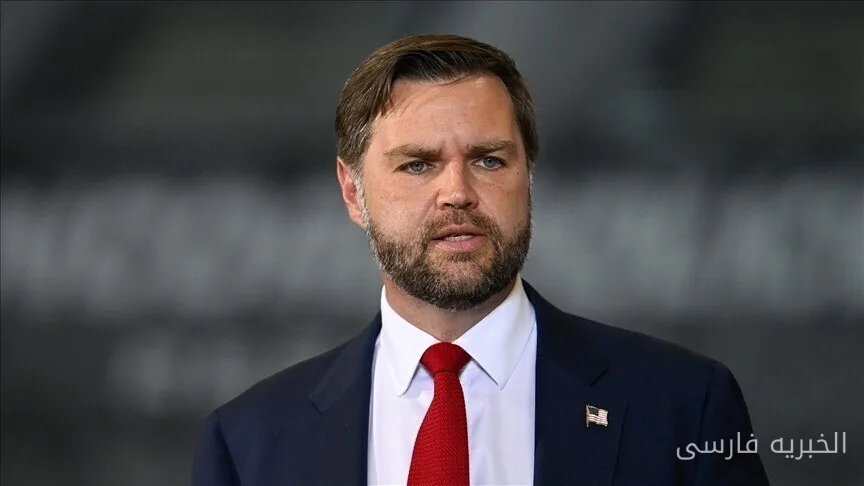
J.D. Vance, U.S. Vice President, emphasized the necessity of not allowing U.S. foreign policy in the Middle East to be dictated by Israel during an interview on Tuesday, noting that Washington does not always agree with Tel Aviv. He stated on the "All-In" podcast on YouTube, "We cannot allow our foreign policy in the Middle East to be subordinate to the Israeli government."
Strengths of U.S.-Israel Relations
Vance continued by referring to the close relationship between the U.S. and Israel, mentioning that former President Donald Trump recognized the importance of Israel as a partner in military technology and intelligence sharing. However, he emphasized that Washington has disagreements with Israel in some cases. Vance added, "Trump, more than any other president in the past 40 years, has shown that when the interests of the American people differ from the interests of the Israeli government, he is willing to distance himself from Benjamin Netanyahu."
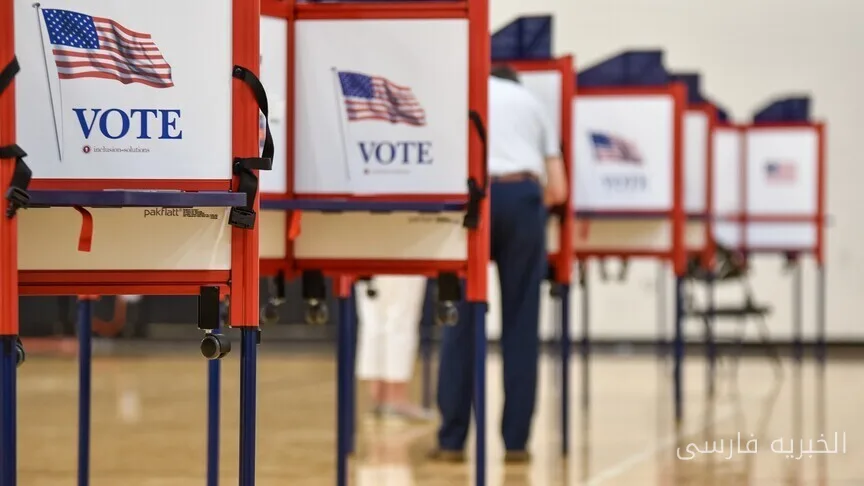
Read more: 2026 U.S. Midterm Elections: Analysis of the Republican and Democratic Party Situation
Emphasis on U.S. National Interests
The U.S. Vice President also referred to the country's relations with NATO members, stating that the U.S. has important relationships and partnerships within NATO. He said, "But that does not mean we should completely subordinate our foreign policy in Europe to NATO; similarly, we cannot allow our foreign policy in the Middle East to be dictated by the Israeli government." Vance emphasized that the U.S. must cooperate with countries and adhere to its own interests in times of disagreement. He considered this approach the only way to have a rational foreign policy.
Vance's remarks could indicate changes in U.S. policies toward the Middle East and may impact the country's relationship with Israel. Currently, the U.S. approach toward Israel and other countries in the Middle East faces challenges and may require a reevaluation of policies.
Read more: Iraq and the Necessity of Maintaining National Security Against Regional Tensions · Oil Prices Drop After Unexpected Increase in U.S. Oil Reserves