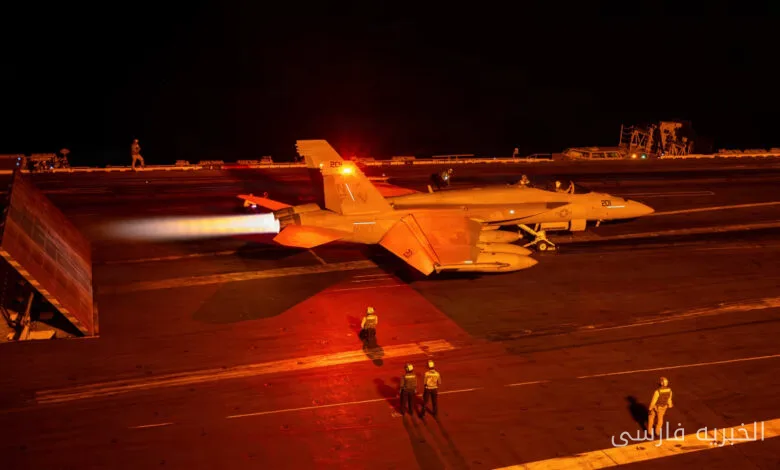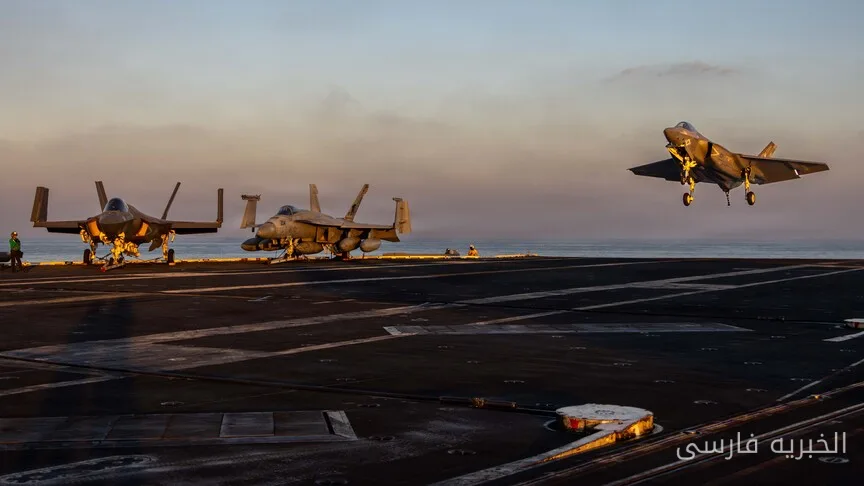
Mohammed bin Salman, the Crown Prince of Saudi Arabia, has requested assistance from regional countries following the withdrawal of Riyadh-backed forces in Yemen due to Houthi attacks. This request has particularly been conveyed to Israel for intelligence and support through the U.S. Central Command (CENTCOM). The main goal of this request is to prevent the closure of the Bab-el-Mandeb Strait, one of the vital shipping routes, by the terrorist group Houthis, who are supported by the Iranian regime.
Risks of Blocking the Bab-el-Mandeb Strait
Mohammed bin Salman has warned that the closure of the Bab-el-Mandeb Strait is not only Saudi Arabia's war but a crisis that threatens the entire region and the global economy. He believes that the economic damage from the blockage of this strait could be greater than that from the closure of the Strait of Hormuz. The Bab-el-Mandeb Strait, as a route connecting the Gulf of Aden to the Red Sea, the Suez Canal, and the Gulf of Aqaba, plays a vital role in the shipping of oil tankers and natural gas carriers.
Read more: A Kenyan woman's experience: Earning 123,000 shillings in Dubai as a secretary
Response of Neighboring Countries and Egypt's Role
In this context, Saudi officials have warned Cairo that the closure of the Bab-el-Mandeb Strait will negatively impact the Suez Canal and effectively turn Egypt into a hostage of the Houthis. Egypt is also considering joining the defense pact among Saudi Arabia, Pakistan, and Turkey known as the "Mecca Pact," but recent developments may change this country's calculations.
The leaders of Pakistan and Turkey, who had previously signed a joint defense agreement with bin Salman, have now turned to mediation efforts with the Houthis instead of supporting Saudi Arabia. This indicates that neither of these countries is inclined to confront the Iranian regime and have currently left Saudi Arabia alone in these conflicts.
Meanwhile, the United States also shows little inclination for direct intervention, but Admiral Brad Cooper, the CENTCOM commander, has visited Saudi Arabia and strengthened existing assistance. U.S. military advisors are present in Saudi Arabia and are responsible for intelligence and operational coordination, but Donald Trump, the President of the United States, is not inclined to provide direct military assistance to Riyadh at this stage.
The Houthis, who began attacks on shipping in the Bab-el-Mandeb Strait in November 2023, have recently captured the strategic port of "Mokha" and occupied the island of "Zuqur." These developments have forced Saudi-backed forces to retreat significantly and increased Houthi control around the Red Sea.
In the meantime, Gulf countries have accused Saudi Arabia of mismanaging the campaign against the Houthis. Riyadh had previously attacked Houthi opposition militants and targeted Emirati aid convoys, which has led to a serious crisis between bin Salman and Sheikh Mohammed bin Zayed Al Nahyan, the Emirati ruler.
Ultimately, Saudi Arabia's request for help from Israel seems to gain more significance. Israel, as the only country that continues to fight the Houthis, is considering indirect or even direct contacts from Saudi Arabia for potential assistance. This crisis could provide an opportunity to restore closer relations between Saudi Arabia and Israel while showcasing Israel's capabilities in confronting the Islamic Republic and its proxies.
Read more: A family in the grip of deportation: Request for help from the mayor · Oslo Accords after 33 years: Current situation and consequences