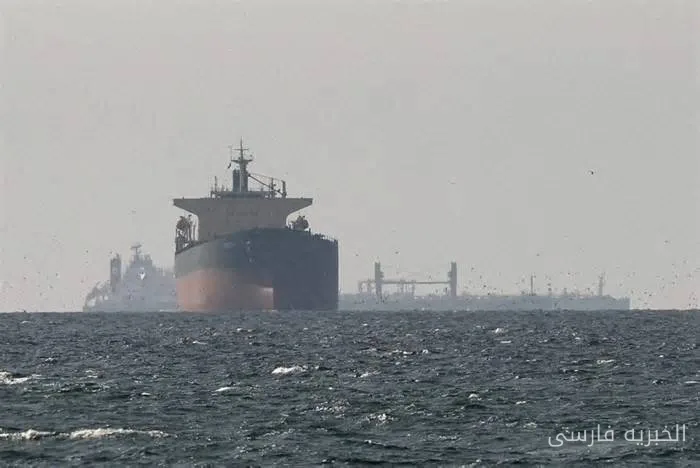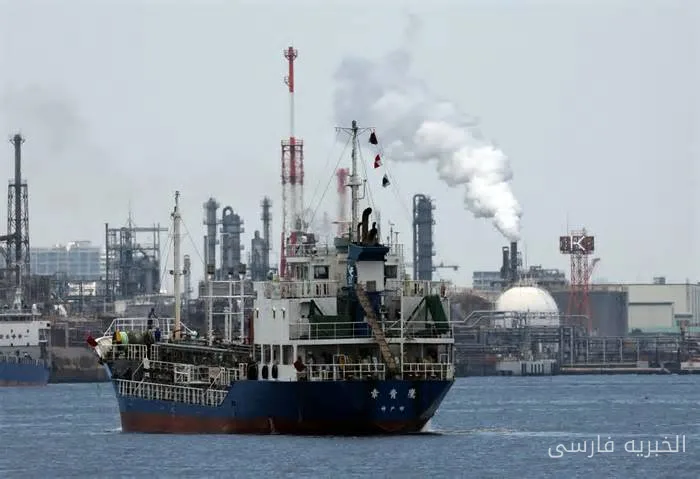
Oil prices fell on Wednesday after a two-day increase. This decline was due to an unexpected rise in U.S. oil reserves, which impacted the market. However, supply disruptions in the Middle East acted as a limiting factor, preventing further price drops.
Details of U.S. Oil Reserves
According to new reports, crude oil reserves in the United States have unexpectedly increased. This has raised concerns among investors and analysts regarding future oil demand. Analysts believe that the increase in reserves could be a sign of declining demand, which negatively affects prices.
Read more: Oil Prices Drop Due to Unexpected Increase in U.S. Reserves
Oil Market Situation in the Middle East
Meanwhile, supply disruptions in the Middle East continue due to political and military tensions in the region. This comes as the Middle East is considered one of the largest oil producers in the world. Fluctuations in oil supply from this region can significantly impact global oil prices and prevent further price declines.
On the other hand, Brent crude oil prices have also decreased, reaching around $82 per barrel. Meanwhile, West Texas Intermediate (WTI) oil prices have also moved downwards, reaching about $77 per barrel.
Forecasts for the Future of the Oil Market
Analysts believe that with ongoing fluctuations in supply and demand, oil prices will be significantly affected. Disruptions in the Middle East and the increase in oil reserves in the United States could lead to instability in the oil market. Therefore, investors should pay close attention to developments in these two factors.
Ultimately, given the current market conditions and various factors affecting it, it is expected that oil prices will face significant fluctuations in the coming weeks.
Read more: Houthis Take Control of Bab al-Mandab Strait in Middle East Oil War · Eurozone Bond Yields Reach Highest Level in 17 Years