The oil war in the Middle East has entered a new and dangerous phase. The Houthis, by controlling the Bab el-Mandeb Strait, one of the most important maritime strategic points, are effectively playing a role in this war. With the shutdown of Saudi Arabia's East-West pipeline, this crisis has taken on new dimensions, and it seems that the oil market will be severely affected.
A Major Shift in the Middle East
The Bab el-Mandeb Strait, as a key route for oil transit, has always been of interest to countries and oil companies. Now, with the Houthis taking control of this strait, concerns about rising oil prices have significantly increased. Experts believe that these developments could lead to heightened tensions in the region, consequently causing oil prices in global markets to rise sharply.
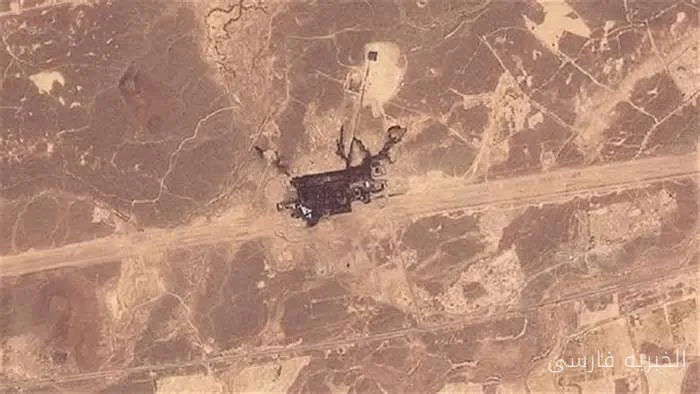
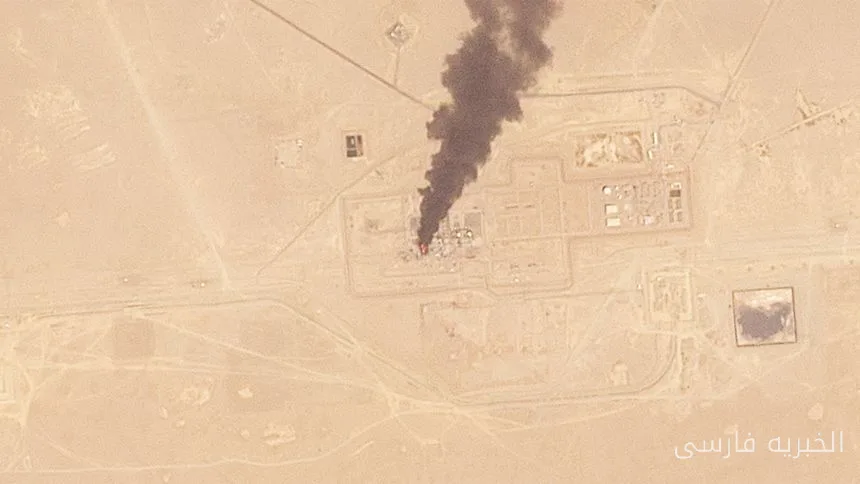
The shutdown of Saudi Arabia's East-West pipeline, which is responsible for transporting oil from the east to the west of the country, is considered one of the main factors exacerbating this crisis. Given that this pipeline is one of the most important oil transit routes in the world, any disruption to it could have serious consequences for the global oil market.
Economic and Political Consequences
This situation not only affects oil prices but could also lead to economic and political crises in the countries of the region. Gulf countries, particularly Saudi Arabia, will face new challenges that require immediate and effective measures. In this context, the role of the Houthis as a key player in regional developments has become clearly evident.
Overall, the Houthis' control over the Bab el-Mandeb Strait and the shutdown of Saudi Arabia's East-West pipeline reflect the depth of the crisis in the Middle East and its impacts on the global oil market. Given the existing complexities, these developments cannot be easily overlooked.