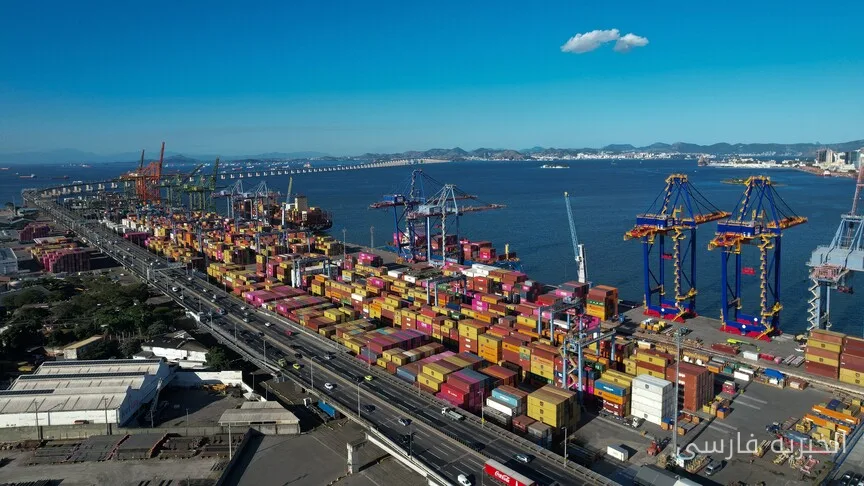
Maritime traffic in the Strait of Hormuz has decreased at the beginning of this week due to the increase in attacks in the Middle East. This decline has raised new concerns about shipping security and its impacts on global markets.
Security situation in the Middle East
The Middle East, as one of the key shipping points in the world, has always been affected by political and military tensions. The recent increase in attacks, especially in areas close to the Strait of Hormuz, has led many shipping companies to consider lower risks and refrain from transiting this region. According to collected data, the number of ships in this strait has significantly decreased.
Consequences for global markets
The decrease in maritime traffic in the Strait of Hormuz could have significant impacts on global markets. The Strait of Hormuz is considered one of the most important routes for crude oil transport, and any disruption in this route could lead to an increase in oil prices and consequently affect the global economy. Experts believe that the continuation of this trend may lead to severe price fluctuations in the energy market.
Many economic analysts believe that the intensification of tensions in the Middle East and the decrease in traffic in the Strait of Hormuz could lead to uncertainty in international financial and economic markets. This situation could affect foreign investments and also impact the economic growth of countries.
Overall, the decrease in maritime traffic in the Strait of Hormuz indicates an emerging crisis in the region that could have serious consequences for shipping and global markets.
Read more: Return of South Korean stocks to equilibrium with support for semiconductor companies · Houthi advance to Bab al-Mandab: a new threat to maritime security