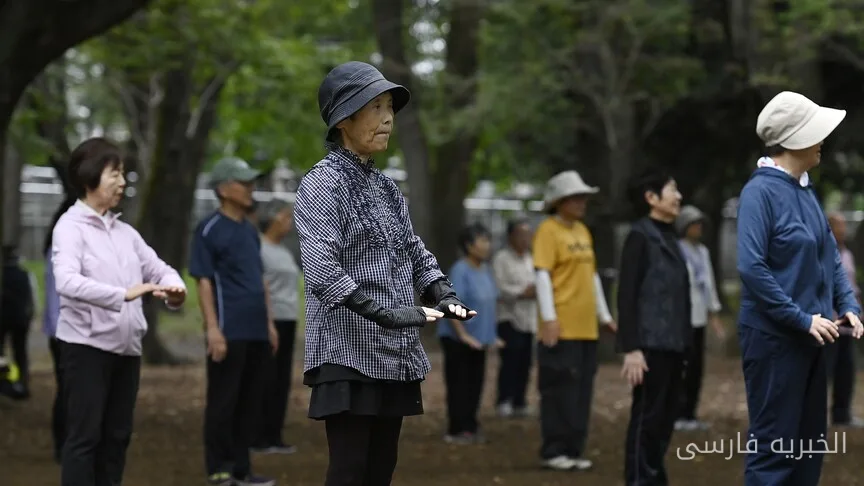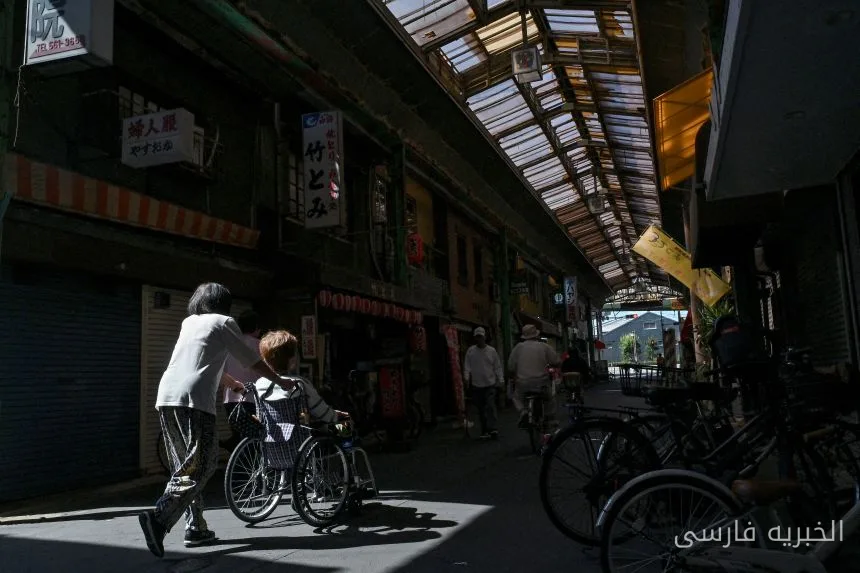
Japan, with a declining population for decades, has now set a new record by increasing the number of people over 100 years old to more than 100,000. According to the Ministry of Health, Labor and Welfare, the number of these individuals reached 107,677 in September, an increase of nearly 8,000 from last year.
Increase in the Elderly Population
Most of these individuals, especially women, make up 88 percent of the total, amounting to 94,298 people. Health Minister Kenichiro Ueno expressed happiness about this statistic, saying, “I am very pleased that such a large number of people have remained active and healthy for a long time.”
Read more: Wake-up sleep: The impact of a partner's snoring on your health
Factors Influencing Longevity
Japan is consistently regarded as one of the countries with high life expectancy, with the average life expectancy expected to reach 84 years by 2024. While this figure is 79 years in the United States, experts point to factors such as a healthy diet and the country's advanced healthcare system. Despite Japan's reputation for long working hours in cities, some residents apply the philosophy of “Ikigai” in their lives, encouraging individuals to create value and happiness in life.
Demographic and Economic Challenges
While the elderly population in Japan is increasing, this places additional pressure on the world's fourth-largest economy, raising costs for elderly care and reducing the workforce. Despite a longer-living generation, Japan's population of 123 million continues to decline, with the birth rate hitting its lowest point.
In recent years, Japan has opened its doors to skilled and unskilled workers to compensate for this population decline, but at the same time, the government has tightened visa conditions due to rising anti-foreign sentiments.
Read more: The population of people over 100 years old in Japan has for the first time exceeded 100,000 · Europe's gas crunch: Forecasting the winter situation with low reserves