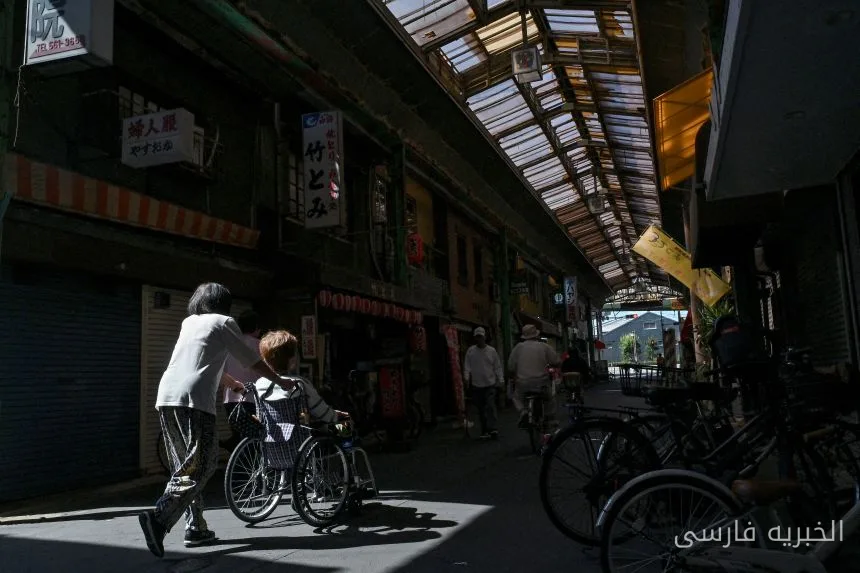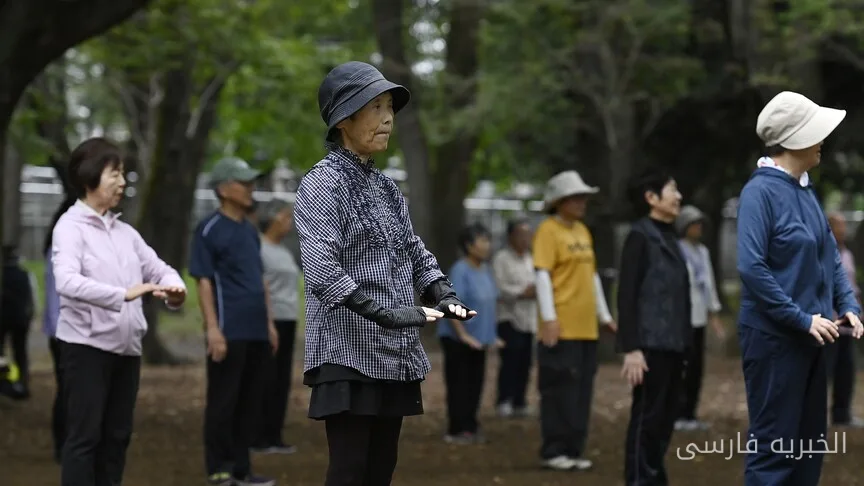
The Japanese Ministry of Health announced in a report that the number of people over 100 years old in the country has reached over 100,000. This number has reached this level for the first time in Japan's history and indicates profound changes in the age structure of the population.
Increase in Life Expectancy in Japan
Considering that life expectancy in Japan is among the highest in the world, the country is recognized as a successful example in health and quality of life. Japan has achieved this milestone due to medical advancements, improved nutrition, and a healthy lifestyle. This increase in the number of centenarians also reflects the social and cultural changes that have occurred in this society.
Read more: Carbohydrates: Friend or Foe of Weight Loss?
Social and Economic Dimensions
The increase in the number of elderly individuals can have significant social and economic implications. On one hand, this issue may lead to an increased financial burden on health and care systems, as the demand for health and care services for this age group rises. On the other hand, the presence of such a large number of elderly individuals can enrich the cultural and experiential fabric of society and facilitate the transfer of knowledge and experience to younger generations.
The Japanese government is currently seeking solutions to better manage these changes. New social and economic programs are being developed to meet the needs of this segment of the population and to leverage their potential.
Future Outlook
Given the increasing trend in the number of centenarians, it is expected that Japan will gradually transform into a society with a more diverse age structure. These changes require careful attention and planning so that society can best utilize the capabilities and experiences of elderly individuals.
Read more: Albania; A New Dental Destination in the Balkans · Birth of a 900-gram Baby in Yemen