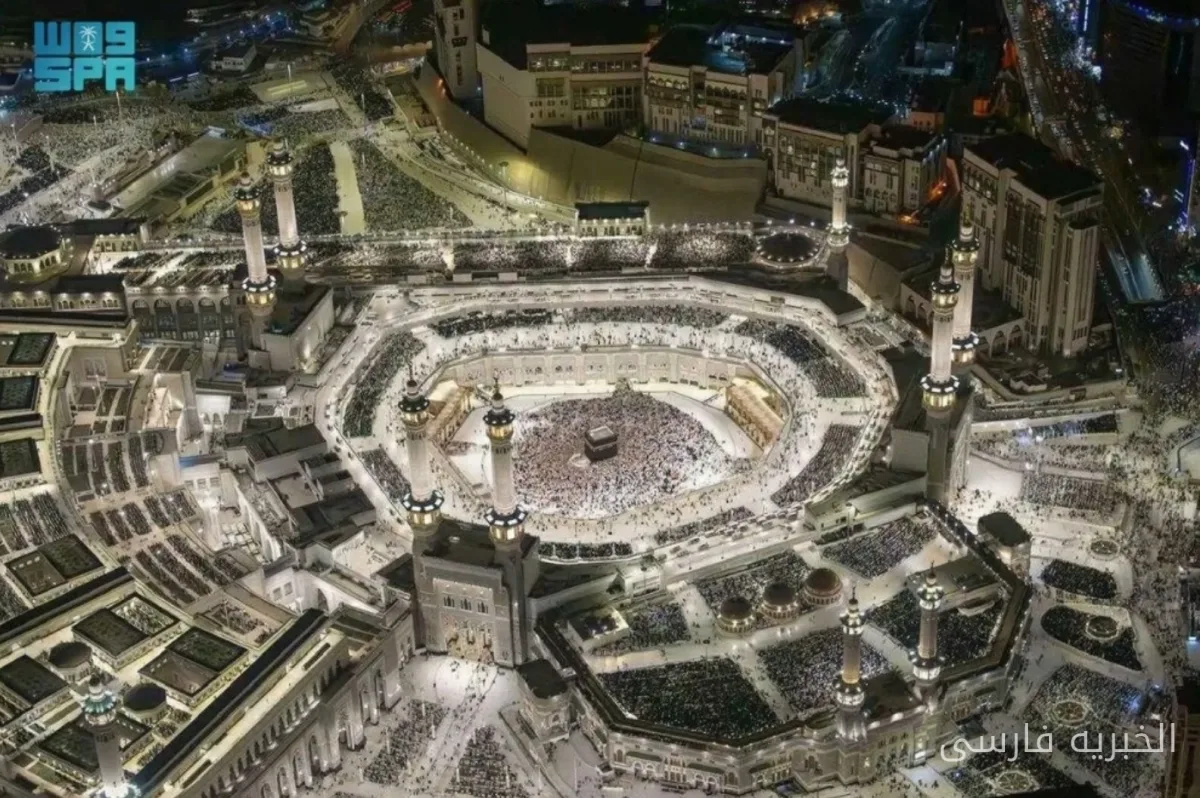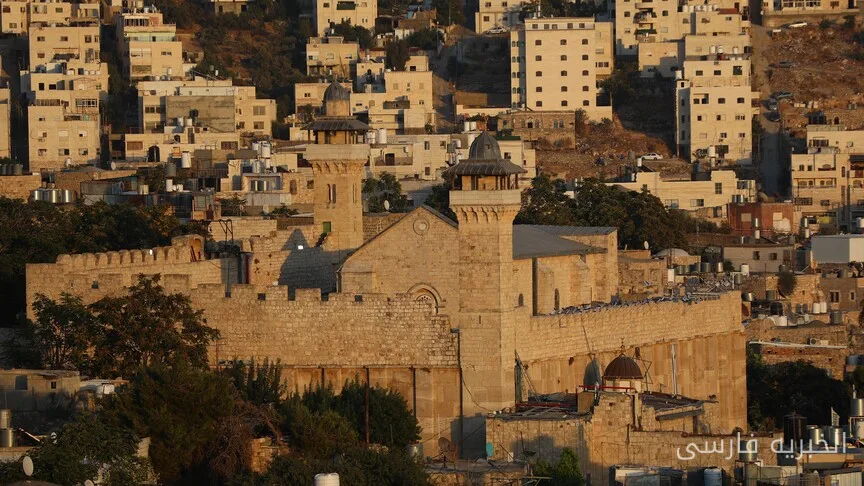
The Ibrahimi Mosque in the city of Hebron, located in the West Bank, was closed to Muslim worshippers on Wednesday due to "security measures" taken by the Israeli army. This closure will continue until Thursday evening and has been justified by Jewish celebrations.
Condemnation by the Palestinian Ministry of Awqaf
The Palestinian Ministry of Awqaf and Religious Affairs has strongly condemned this closure and urged international and human rights organizations to intervene immediately to stop the "systematic violations" against this mosque and to ensure freedom of access for Muslims.
Read more: Widespread Damage to U.S. Military Bases in the Middle East Due to Iranian Attacks
Military Actions and Impact on Schools
Matrasim Abusnin, the director of the Ibrahimi Mosque, stated that this closure is part of the "ongoing escalation of tensions and efforts to seize what remains of this mosque." He emphasized that the Ibrahimi Mosque is "exclusively Islamic" and described recent actions as "a blatant violation of the freedom of worship" that should be protected according to international conventions.
In addition to the mosque's closure, Israeli army forces have intensified military actions around the mosque, blocking all checkpoints and electronic gates leading to it. These actions have significantly disrupted access for students and educational staff at the Ibrahimi School (boys' school) and Al-Faiha School (girls' school), leading to a complete halt of classes at the Ibrahimi School and disruption of education at Al-Faiha School.
Historical Background of the Ibrahimi Mosque
The Ibrahimi Mosque is located in the old city of Hebron, which is under full Israeli control, with about 400 settlers living there under the protection of nearly 1,500 Israeli soldiers. In 1994, Israel divided the mosque, allocating 63% to Jews and 37% to Muslims, following a massacre carried out by an Israeli settler that killed 29 Palestinian worshippers.
Read more: Israeli Forces Withdraw from the City of Abedin in Syria · Oslo Accords: 33 Years Later, Are Only Memories Left?