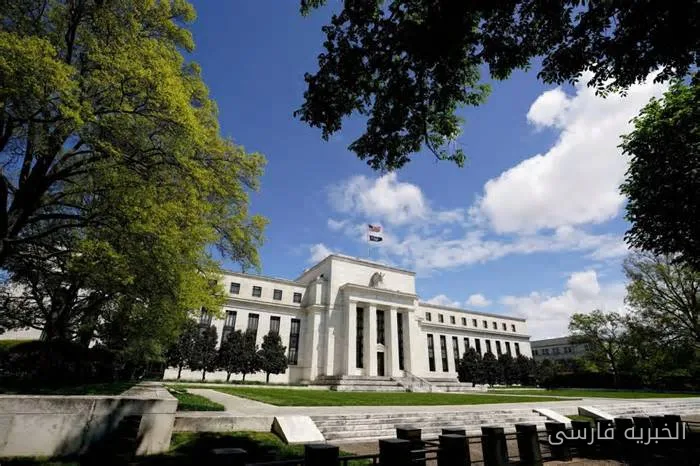
The Federal Reserve of the United States will face a dual challenge on Wednesday. This institution is set to announce its first interest rate hike in over three years. This decision is expected to be made in order to combat rising inflation and strengthen the U.S. economy.
Economic Background and Existing Pressures
In recent years, the U.S. economy has been affected by the global crisis caused by the outbreak of the coronavirus. This crisis led to a significant reduction in interest rates to prevent economic recession. However, the recent rise in inflation has raised concerns about the sustainability of this policy.
Read more: Rapid Increase in Wholesale Prices in Germany in August
In recent months, inflation has reached its highest level in decades. This has led some economic officials, including Greg Stanton, to emphasize the necessity of raising interest rates to control inflation. This increase in interest rates may lead to reduced demand and consequently lower inflation rates.
Market Reactions and Future Outlook
Financial markets are highly sensitive to this decision. Analysts believe that any increase in interest rates could have significant impacts on investments and stock markets. Additionally, rising interest rates could increase borrowing costs for consumers and businesses, which may also affect economic growth.
At the same time, there are differing opinions on the timing and magnitude of this increase. Some economists believe that a gradual increase in interest rates could help stabilize the economy, while others warn that this action could lead to an economic recession.
Ultimately, the decision of the Federal Reserve of the United States on Wednesday could be seen as a turning point in the monetary policies of this institution, and its impacts on the U.S. economy and global markets will be closely monitored.
Read more: European Stocks Decline Under Pressure from Bank Losses and Rising Oil Prices · Martin Kuchir: High Oil Prices Increase Inflation Risk