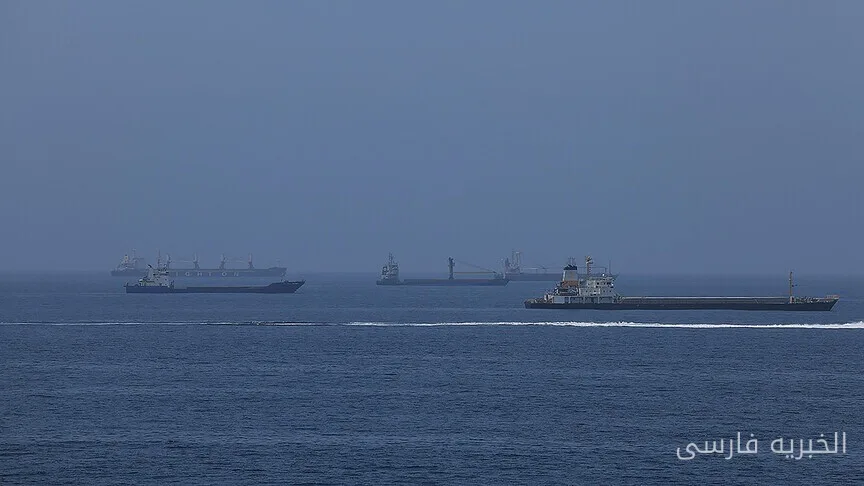
American customers have spent approximately $107 billion extra on gasoline and diesel since the war with Iran began. This amount clearly illustrates the economic impacts of the war on American consumers and is comparable to the costs that would have been anticipated in the absence of these conflicts.
Impact of the War on Energy Prices
Since the onset of the war, energy prices have significantly increased, placing additional costs on American consumers. This rise in costs has been particularly noticeable in the fossil fuel sector, such as gasoline and diesel, raising economic concerns nationwide.
Read more: Annual inflation rate in Britain rises to 3.1% in August
Economic Forecasts and Consumer Behavior
Analyses indicate that had this war not occurred, consumer spending on fuel would have been significantly lower than current levels. This increase in fuel costs has placed additional pressure on households and businesses and may influence consumer behavior. Furthermore, these changes could impact other economic decisions as well.
Ultimately, the additional $107 billion spent on gasoline and diesel serves as a clear indicator of the direct impacts of war on the economic conditions and daily lives of Americans. This highlights the necessity for deeper examination and analysis of the economic consequences of wars on society.
Read more: Food price inflation in Britain approaches 7% by 2027 · Adyan, a newborn who was born in Yemen weighing 900 grams