Nationwide protests in Syria have erupted following the sudden 40% increase in fuel prices announced by Abu Muhammad al-Julani, the head of the Syrian government. This action has triggered a wave of public discontent and anger across Syria, with reports indicating that thousands of protesters took to the streets from Aleppo and Hama to the rural areas of Raqqa, Deir ez-Zor, and Hasakah against this decision.
Wave of Protests and Reactions
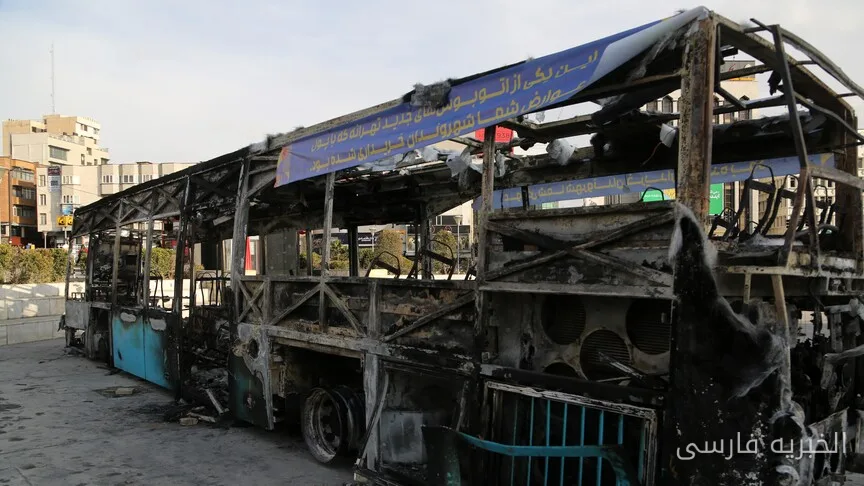
Protesters took to the streets, burning tires and blocking main roads, including the strategic M4 highway, demanding the overthrow of the government. This demonstration quickly escalated into calls for a general strike and slogans against al-Julani's government, marking it as the largest wave of public protests since the fall of Bashar al-Assad in December 2024.
Read more: Flyingo Revolution: Protests in Albania Against the Elite
Economic and Social Dimensions of the Crisis
The increase in fuel prices, which includes gasoline and diesel, is not just a price shock but a sign of the structural inefficiencies in Syria following Assad. While pro-government media emphasize construction and reconstruction efforts, economic realities reveal the depth of the livelihood crisis and poverty among the people. For instance, the price of a subsidized bread loaf has risen from 400 lira during Bashar al-Assad's era to 4,000 lira now.
Over 90% of the Syrian population lives below the poverty line, and the Ministry of Energy's claim of a "temporary price adjustment" has deepened public anger. Recent protests have highlighted not only the economic dimensions but also the governance issues in Syria under the control of Hay'at Tahrir al-Sham. Al-Julani's government has failed to create a new and unified Syria, presenting a government incapable of exercising national sovereignty.
Political and Security Consequences
The nationwide protests in September 2026 in Syria signify the end of al-Julani's honeymoon period. Public anger stemming from livelihood issues, inflation, and geopolitical insecurity has become a serious challenge for this government. The Syrian society has now realized that the government's promises of welfare and security have turned into a bitter joke.
Currently, al-Julani's government faces two options: further repression of protesters, which may lead to a resurgence of civil war, or retreat and collapse of its legitimacy. As long as this government lacks defensive capability and national authority, any development and economic reform plans will become meaningless on paper.
Read more: Mysterious Activity at Iran's Kuh-e Pikaak Site; Is There a Nuclear Element Involved? · Sevenfold Increase in Electricity Prices in Syria After Bashar al-Assad's Government