J.D. Vance, the U.S. Vice President, stated on Wednesday that significant changes in the war with Iran are likely in the "coming months." Vance referenced former President Donald Trump's remarks about ending the war after the November midterm elections but did not provide further details about these changes.
Current status of the war and efforts to maintain security
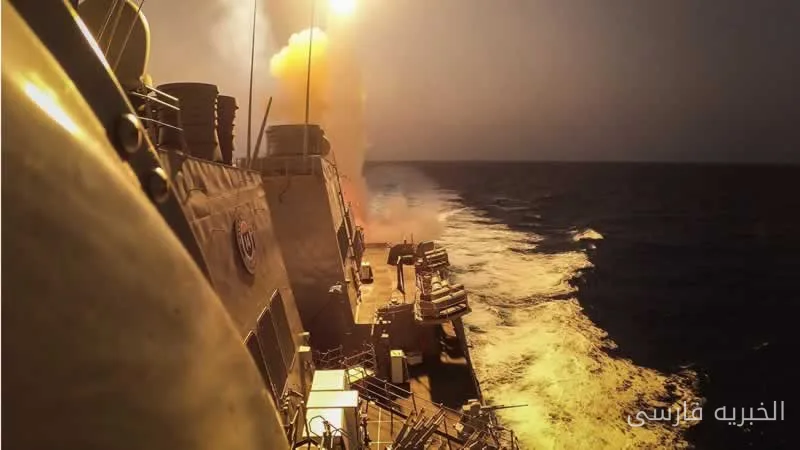
The U.S. Vice President emphasized that U.S. forces are currently not engaged in extensive offensive operations, and one of their priorities is to ensure the security of shipping routes and prevent the rebuilding of Iran's military capabilities. However, commercial traffic in the Strait of Hormuz continues to face a significant decline. According to preliminary data, only four vessels passed through the Strait of Hormuz on Tuesday, which is noticeably lower than the ten-day average of 18 vessels.
Read more: Saudi Arabia reported intercepting a Houthi drone near Mecca
Recent developments in Saudi Arabia and the role of the Houthis
In this context, Saudi Arabia announced that its air defense successfully intercepted and destroyed a drone attributed to the Houthis in southern Mecca. Turki al-Maliki, the spokesman for the Saudi-led coalition, called the security of Mecca and Medina and the pilgrims a "red line" and stated that Riyadh will take necessary measures to deter further attacks. On the other hand, the Houthis have denied Saudi claims and called them a "repeated lie."
The Organization of Islamic Cooperation also strongly condemned the alleged attack on Mecca and Medina, holding the Houthis responsible for these attacks. These developments come after several days of missile and drone attacks on various regions of Saudi Arabia, resulting in 13 civilians being injured and several homes and vehicles damaged. Saudi officials have also issued security warnings in several cities, including Mecca, Jeddah, Taif, and Yanbu, due to these attacks.
Escalation of the crisis in the region and its impacts
The escalation of Houthi attacks continues as they have expanded their control over parts of the Red Sea coast and areas around Bab al-Mandab. Meanwhile, Yemeni government forces have also increased their airstrikes around various regions, and Yemeni military officials have stated that these operations could be a precursor to a ground assault to reclaim coastal areas.
The Trump administration is also preparing a $2.8 billion arms package for Israel, which includes about 40,000 two-thousand-pound bombs. These bombs are considered some of the most powerful conventional munitions in the U.S. arsenal, and their use in densely populated Gaza has raised significant concerns about civilian casualties.
All these developments indicate the continuation of regional warfare on several fronts: Houthi attacks and Saudi responses, the shipping crisis in Bab al-Mandab and the Strait of Hormuz, the confrontation between Iran and the U.S., and increased U.S. military support for Israel. Despite U.S. officials' statements about a change in the nature of the war in the coming months, the evidence on the ground does not indicate a rapid decrease in tensions.
Read more: Meeting of the foreign ministers of China and Iran in Beijing before the summit · Saudi Arabia and UNESCO called for stronger global cooperation in the field of ethical artificial intelligence