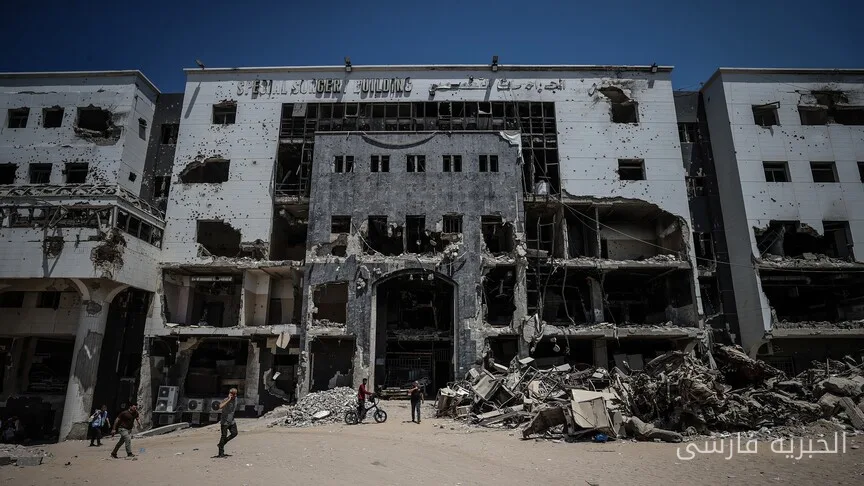
The Gaza Health Ministry announced that the World Health Organization (WHO) has decided to stop supplying diesel fuel for over 20 hospitals in the region. This decision, set to take effect on September 19, comes in response to severe shortages of fuel and oil and poses a serious threat to the continued operation of hospitals in Gaza.
Dimensions of the Fuel Crisis in Gaza
The fuel shortage in Gaza has turned into a serious humanitarian and health crisis. Hospitals, as vital institutions for providing health and medical services, require diesel fuel to supply electricity and maintain medical equipment. With the continuation of this crisis, the risk of hospital closures and reduced access to medical services for patients increases.
Read more: Why Do Women Turn to Exercise During Their Menstrual Cycle?
Consequences of Stopping Fuel Supply
The cessation of diesel fuel supply means a severe reduction in the operational capacity of hospitals. Gaza Health Ministry officials have warned that if this situation continues, patients suffering from acute and emergency conditions may face serious problems. This issue could also negatively impact primary health and care services, leading to increased mortality among patients.
In this situation, health officials in Gaza have called on the international community and humanitarian organizations to pay special attention to the critical fuel situation and take urgent actions to meet the essential needs of hospitals. Otherwise, the health situation in Gaza will be severely jeopardized.
Read more: Carbohydrates: Friend or Foe of Weight Loss? · Serious Reflections on Water Pollution in 6 Hospitals in Baghdad