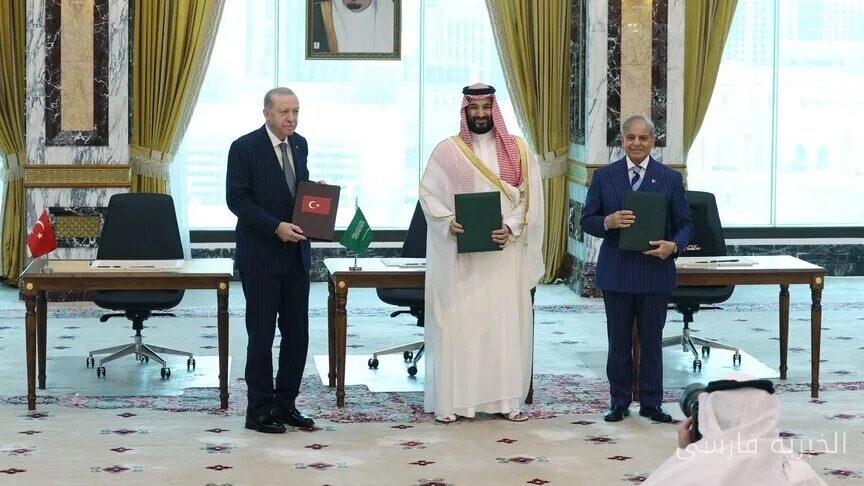
The Pakistan Army announced on Wednesday that the trilateral Makkah Defense Pact, established between Turkey, Saudi Arabia, and Pakistan, was created with the aim of "collective deterrence" and has no "regional aspirations."
Emphasis on Historical Relations
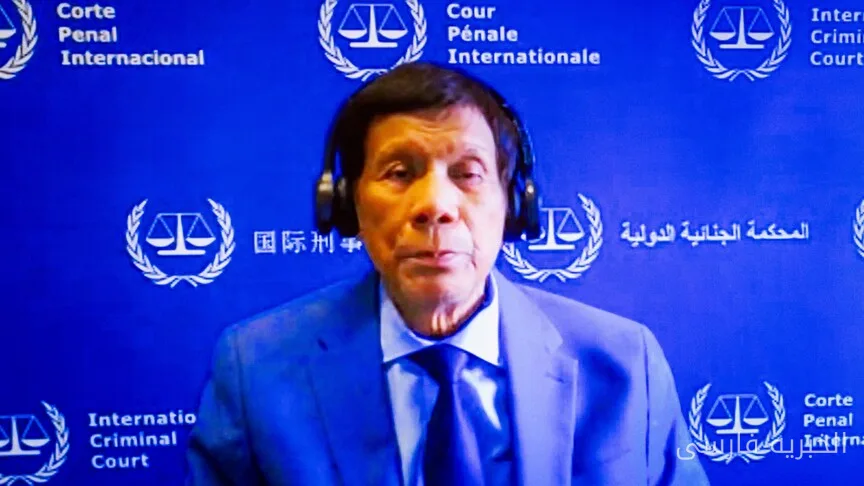
The Army spokesperson, Lieutenant General Ahmed Sharif Chaudhry, mentioned in an interview with Saudi media that this pact is a reaffirmation of Pakistan's historical and multi-decade relations with Saudi Arabia and Turkey, stating: "This pact recognizes the relationships that these three countries have in terms of deterrence and defense."
Read more: Arrest of Naqa Hamid, Palestinian-American journalist in the West Bank
Provisions of the Pact and How It Works
In response to the question of whether this pact is more of a defensive cooperation or a sign of a broader strategic alliance, Chaudhry clarified that this pact is "defensive, as its name suggests." According to the provisions of this pact, any attack on one of the member countries will be considered an attack on all.
The first meeting of this coalition was held on August 31 in Istanbul, where it was decided that Pakistan would hold the presidency of the coalition's secretariat for three years. Chaudhry emphasized that this agreement is "complementary" and does not conflict with the relations of other countries.
He added: "This agreement in no way contradicts the other relations of these countries, and each of these countries has independent relations with other nations, blocs, and alliances."
Chaudhry also responded to the question of how Pakistan would react if one of the countries in this coalition were attacked, stating: "The operational commitments of defense are never discussed publicly. It is for the three countries to decide and operationalize it."
The Army spokesperson further referred to Pakistan's historical relations with China, stating that these relations did not arise suddenly and are recognized by the world. He also pointed out that this pact is defined as a coalition for regional stability and is not considered a specific coalition for Muslim countries.
Chaudhry concluded by saying: "This coalition can always include new partners who believe in peace, stability, and security in the region and share a common vision regarding collective deterrence."
Read more: Israeli forces withdraw from the city of Abidin in Syria · Meeting of Mohammed bin Salman with Brad Cooper in Jeddah