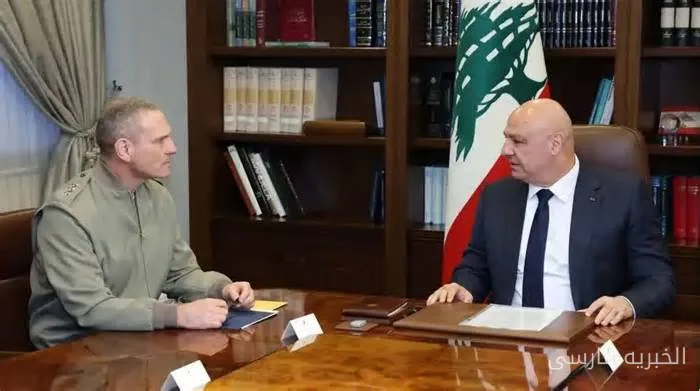
In a controversial development, Iran announced that it is no longer bound by the Non-Proliferation Treaty. Mohammad Reza Mohsen Sani, one of the senior officials of the country, stated in an official announcement that Iran, as an independent country, has the right to define its nuclear policies based on its national interests.
Changes in Iran's Nuclear Policies
Mohsen Sani emphasized that this decision was made due to recent political and economic developments as well as external pressures. It seems that this action is aimed at strengthening Iran's position in international negotiations and increasing the country's nuclear capabilities.
Additionally, there are rumors about a potential agreement between Iran and the United States in 2026 for funding reconstruction, which has been informally referenced at 11.5 percent. This issue could have profound impacts on international relations and Iran's position on the global stage.
Consequences of Iran's Decision
Iran's decision to withdraw from the Non-Proliferation Treaty will not only provoke international reactions but may also lead to increased tensions in the region. Many analysts believe that this action could be used as a bargaining tool in future negotiations.
Ultimately, it remains to be seen what impact these changes will have on Iran's nuclear future and its relations with other countries. Can Iran assert its position on the international stage with this decision, or will this action have adverse consequences for the country?