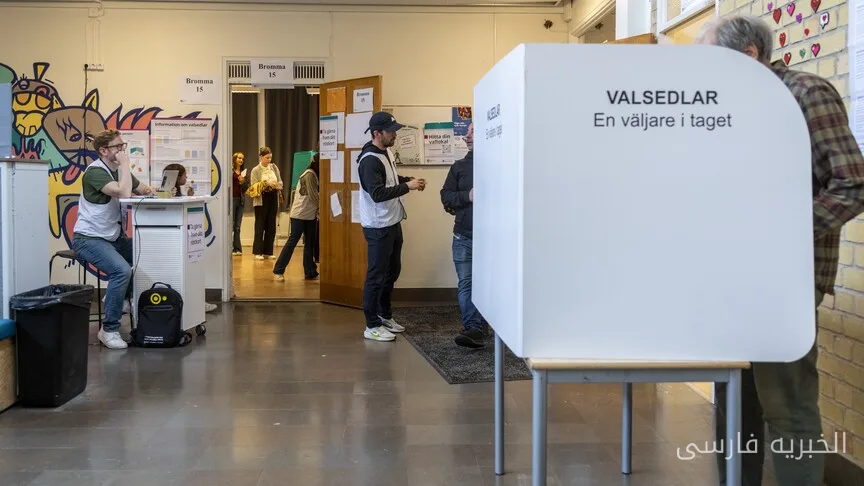
The elections in Sweden were held under circumstances where the left opposition has gained a three-seat lead over the current government. However, the final results are still uncertain, and there is a possibility of changes in the final votes.
Decline in Voter Turnout
Nearly two weeks have passed since the elections, and political analysts predict that voter turnout will decline for the second consecutive time. This is a concerning sign for Sweden's political system and may impact the final election results.
Read more: Anwar: BRICS Must Reject Colonial Occupation and Terrorism
Initial Results and Their Implications
According to initial results, the left opposition has secured a three-seat majority, paving the way for the formation of a new government. These changes in Sweden's political landscape could lead to significant shifts in both domestic and foreign policies. In particular, this could impact social and economic policies and push Sweden towards further changes.
At the same time, analysts have expressed concerns about the economic impacts of these changes. Especially in areas like social welfare and immigration policies, new policies may pose challenges in the future.
Overall, Sweden's recent elections will not only influence the political future of the country but may also lead to broader developments across Europe. Analysts believe that this election could serve as a warning bell for other European countries and reflect political changes on the continent.
Read more: Will Russia Make New Changes in the Ukraine War? · Victory of the Far-Right Party in Germany