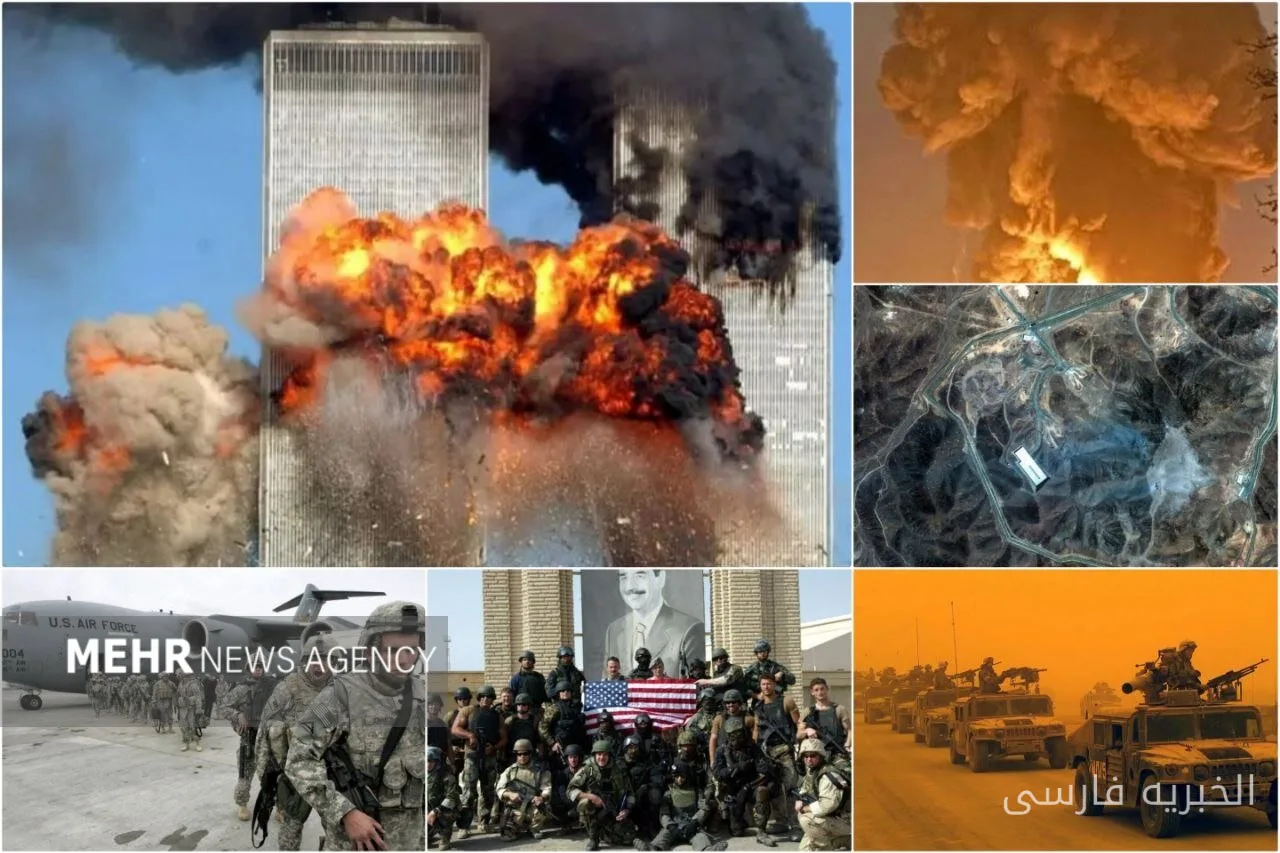
Twenty-five years have passed since the events of September 11, 2001; an incident in New York that quickly became a tool and cover for advancing Washington's expansionist goals and large-scale military campaigns in the West Asia region. This incident is not only considered a turning point in contemporary history but has also become a backdrop for military and political conflicts in the Middle East.
Global Consequences of September 11
Following this incident, the United States invaded Afghanistan under the pretext of fighting terrorism and then launched a campaign in Iraq as well. These actions not only led to the overthrow of governments but also resulted in instability and deep humanitarian crises in these countries. Many analysts believe that these wars have only increased tensions and instability in the region and have failed to achieve their objectives.
Failed Aggression Against Iran
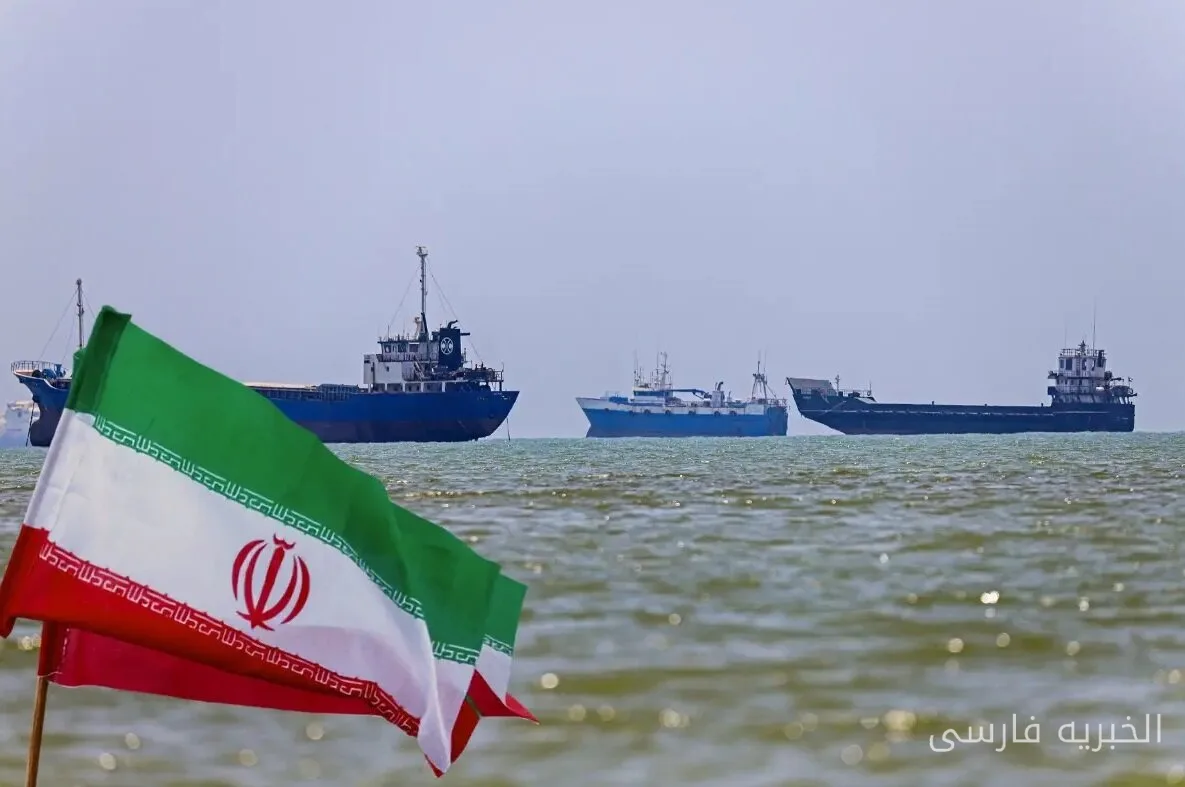
In this context, military aggression against Iran has been presented as one of the long-term goals of the United States in the Middle East. However, these efforts have so far failed due to Iran's military and political power, as well as international support for the country. Proxy wars and economic sanctions are also just part of the tools used by the United States to pressure Iran, but these strategies have not yielded favorable results either.
Today, Iran continues to strengthen its relations with other countries and increase its military capabilities in the face of these challenges. In fact, these wars and tensions have not only harmed the countries in the region but have also contributed to the formation of a new system in international relations.