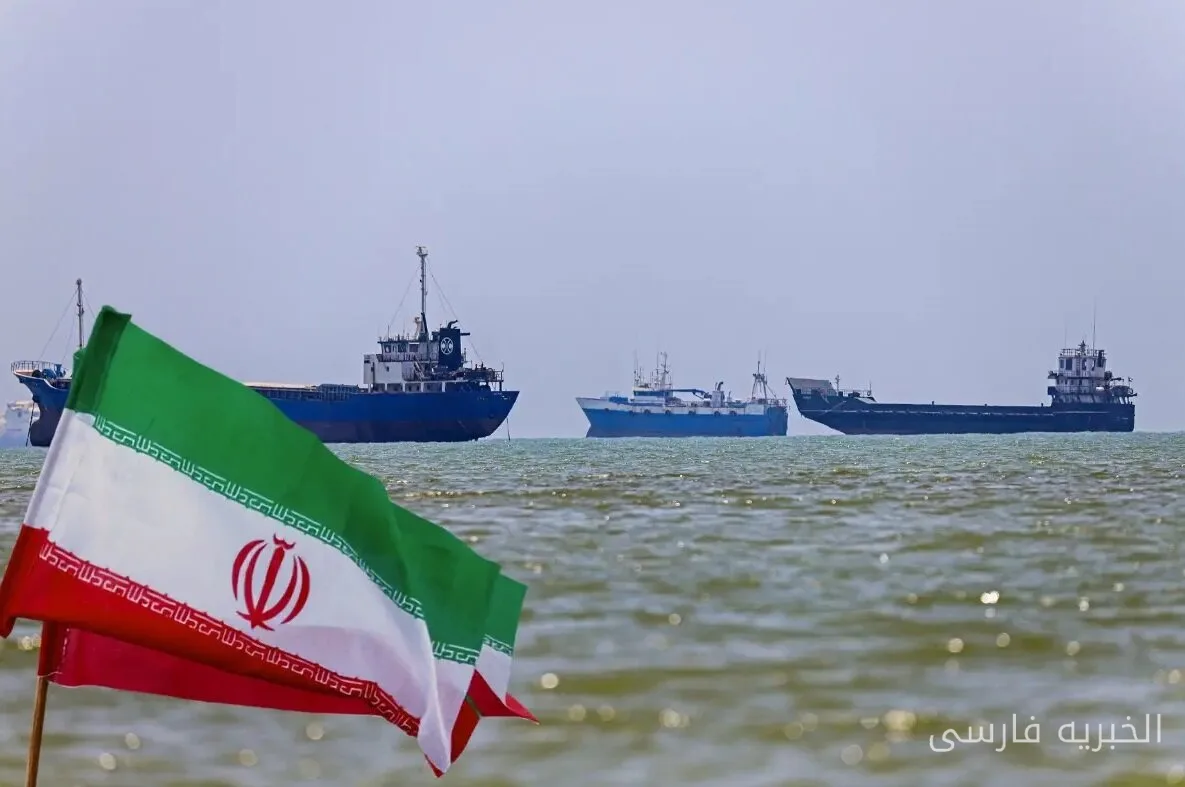
In early 1979, under the leadership of Saddam Hussein, Iraq initiated extensive propaganda movements against Iran. These movements specifically focused on the claim of Iran's withdrawal from the three islands of Greater Tunb, Lesser Tunb, and Abu Musa. This propaganda strategy pursued two main objectives: first, to exert pressure on Iran to capitulate to Iraq's demands, and second, to strengthen Saddam Hussein's domestic position in the face of political and economic challenges.
Iraq's Propaganda Objectives
Iraq used this propaganda to bolster its approach in the region. The claim of sovereignty over the mentioned islands was presented as a national and prestige issue among Iraqis. Saddam Hussein relied on this matter to create internal consensus and public support for his regime. In fact, these claims were also used as a tool to divert public attention from domestic economic and political problems.
Read more: Controversial Call by Alice Wydell: Ukrainians Should Go Home!
Consequences of the Propaganda Movements
Ultimately, these movements led to heightened tensions between the two countries and resulted in the Iran-Iraq War in 1980. Iraq, claiming sovereignty over the islands and exploiting nationalist sentiments, sought to justify a military attack on Iran. This war later became one of the longest and bloodiest conflicts in contemporary history, with profound consequences not only for the two countries but also for the region.
Saddam Hussein's propaganda movements against Iran were, in fact, part of a broader strategy to consolidate his power domestically and increase Iraq's influence in the Persian Gulf region. This highlights the importance of psychological warfare in international politics and its impact on the relations between the two countries.
Read more: Trump to Zelensky: Stop Attacks on Russian Fuel Supply! · Dismissal of Iraqi Security Officials After Attacks on Saudi Arabia