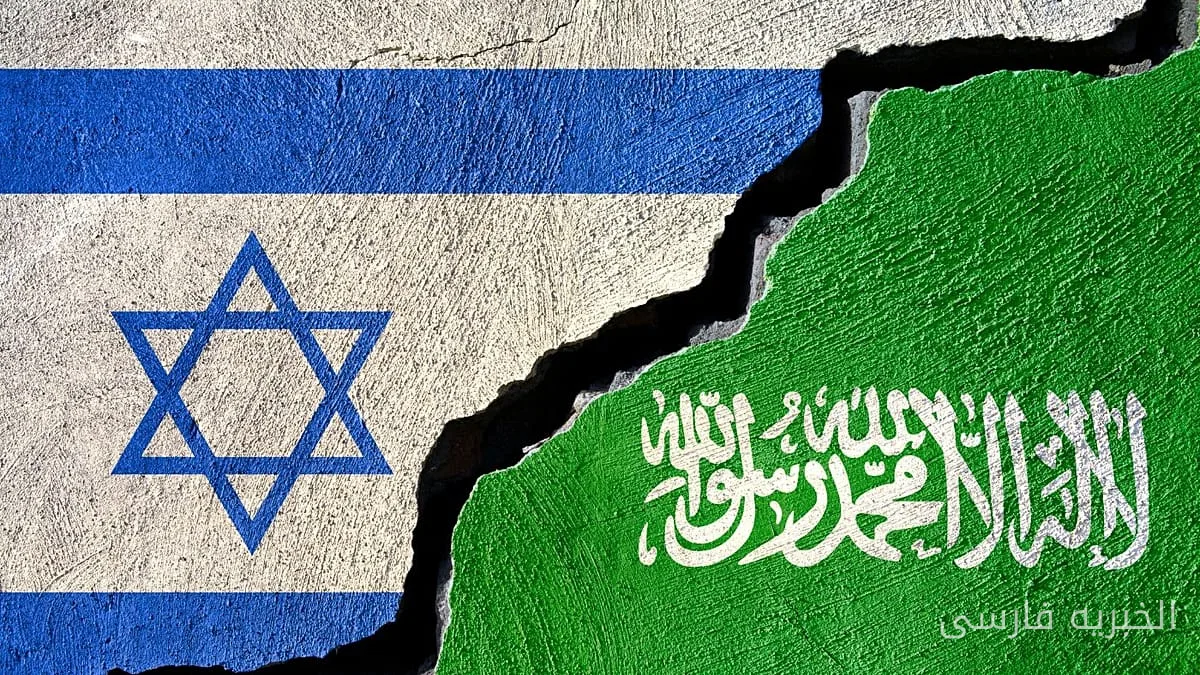
In an interview with the media about the state of relations between Israel and Saudi Arabia, Friedman stated that even the Houthi threat cannot help improve these relations. These remarks came after news sources reported that Mohammed bin Salman, the Crown Prince of Saudi Arabia, is seeking military assistance from the United States to counter the Houthi threats.
Bin Salman’s Conversation with the CENTCOM Commander
On Monday, Bin Salman spoke with Admiral Brad Cooper, the commander of CENTCOM, in Jeddah. However, it is still unclear how much Riyadh is considering other options for military support. Friedman noted that given the current security situation, establishing cooperation between Israel and Saudi Arabia seems logical, as both countries face a common threat from Iran.
Read more: Why Saudi Arabia Has Limited Options in the Conflict with the Houthis
However, he emphasized that under the current circumstances, this cooperation is not very likely. Friedman added that all foreign policy issues are now viewed through the lens of the Israeli elections, and therefore any support Riyadh receives from Israel will need to be kept confidential. He clarified that this support will only be within the framework of aiding the ruling coalition to gain electoral advantage.
Efforts for Saudi Arabia to Join the Abraham Accords
While Saudi Arabia has always emphasized that it will not normalize relations with Israel until a Palestinian state is established, Tel Aviv and Washington are trying to encourage Riyadh to join the Abraham Accords. Friedman referred to Saudi Arabia's 25th rank in the 2026 Global Military Power Index and stated that Riyadh has increasingly become dependent on the United States over the past 15 years.
He also stated that this dependence has significantly weakened Saudi Arabia's military power and caused the country's war in Yemen to completely fail since 2015. In this situation, Saudi Arabia may seek support from Israel and the United Arab Emirates, but Friedman believes that this possibility is low due to recent disagreements between the Saudis and these two countries.
Friedman pointed to Saudi Arabia's inability to receive sufficient support from the Mecca Agreement and stated that this agreement has failed to meet Riyadh's needs. Given reports that Washington is now refraining from assisting Riyadh against the Houthis, Saudi Arabia is trying to identify new regional powers.
He also mentioned the Houthis' control over the Bab el-Mandeb Strait, stating that this situation could pressure Saudi Arabia's oil industry. Friedman noted that the Houthis have previously targeted the East-West pipeline, and these threats have increased oil prices. As the U.S. midterm elections approach, Friedman predicted that the United States would be reluctant to escalate the war, which could lead to increased tensions from Iran.
Read more: Announcement of the Results of the 2026 Third-Year Secondary Exams in Iraq · Prince Faisal's Warning: Escalating Tensions in the Middle East Pose a Risk of Widening Conflict