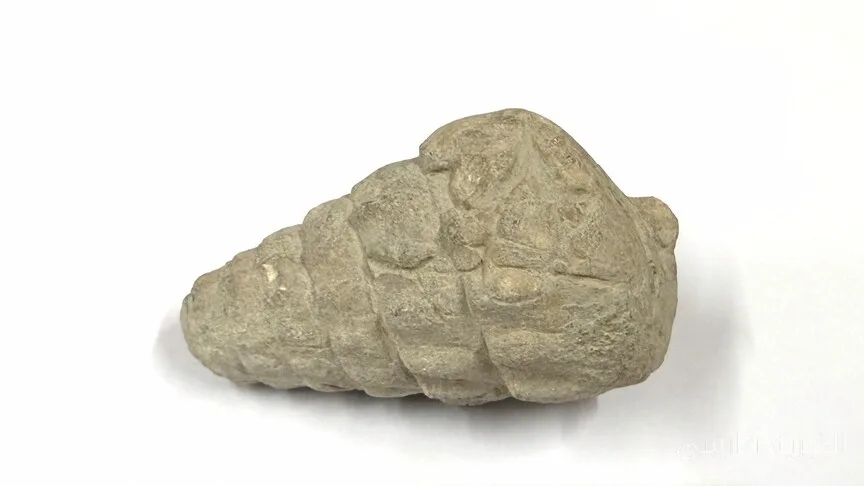
The discovery of a 66 million-year-old fossil of an ancient snail in Turkey's capital, Ankara, has attracted the attention of researchers and archaeologists. This fossil is likely related to the ancient inhabitants of settlement Kulhoyuk, which dates back to 5000 BC.
Details of the Fossil Discovery
After thorough examinations and field studies, researchers succeeded in discovering this fossil in a specific area of Ankara. This fossil not only points to the geological history of the region but may also provide insights into the lifestyle and habits of ancient inhabitants.
Read more: Indonesian officials dispatched over 600 rescuers to find 129 missing persons
According to researchers, some evidence suggests that ancient inhabitants may have transported this fossil to settlement Kulhoyuk. This could help in better understanding the relationships between the inhabitants and their environment at that time.
Cultural and Historical Implications
The discovery of this fossil could significantly aid researchers in understanding the cultural and historical background of the region. Kulhoyuk is considered one of the most important archaeological sites in Turkey, and fossil discoveries in this area could provide new information about the daily lives and economic activities of its ancient inhabitants.
Researchers believe that this discovery could contribute to a better understanding of climatic and environmental changes throughout history. Additionally, this fossil could serve as a valuable resource for future studies in archaeology and geology.
Ultimately, this discovery once again highlights the importance of preserving and studying ancient and cultural artifacts, showcasing the historical and cultural richness of ancient lands in Turkey.
Read more: 150 civilians killed in Houthi ceasefire since September 3, Yemeni government reports · Dubai police reduced 26,000 tons of carbon with solar energy project