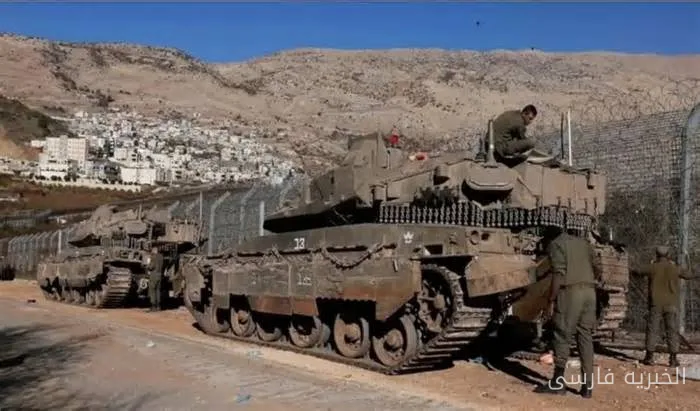
In a controversial statement at the BRICS summit, Xi Jinping, the President of China, strongly criticized the Middle East war, which began due to the attacks by the United States and Israel on Iran in late February. He clearly pointed out at the summit that this war is not only detrimental to the countries involved but also harms global common interests.
Analysis of Current Situation
Xi Jinping stated that tensions in the Middle East could lead to larger crises, emphasizing that the countries involved should move towards diplomacy and dialogue instead of war and conflict. He added: "War and violence only bring destruction and suffering to people, and no one benefits from this situation."
These remarks come at a time when many countries are seeking diplomatic solutions to reduce tensions in the region. Xi also referred to China's role as a global power and its ability to help establish peace, saying: "China has always sought to create peace and stability in the world and is ready to provide any assistance to end this war."
Consequences of the Middle East War
The Middle East war has become a hot and controversial topic with profound impacts on the global economy and regional security. Analysts believe that the continuation of this war not only makes the involved countries vulnerable but could also negatively affect international relations and trade cooperation.
In conclusion, Xi Jinping emphasized the necessity of international cooperation, stating: "Only through unity and collaboration can we respond to global challenges and defend common interests. It is the duty of all countries to stand against war and conflict and move towards peace and friendship."