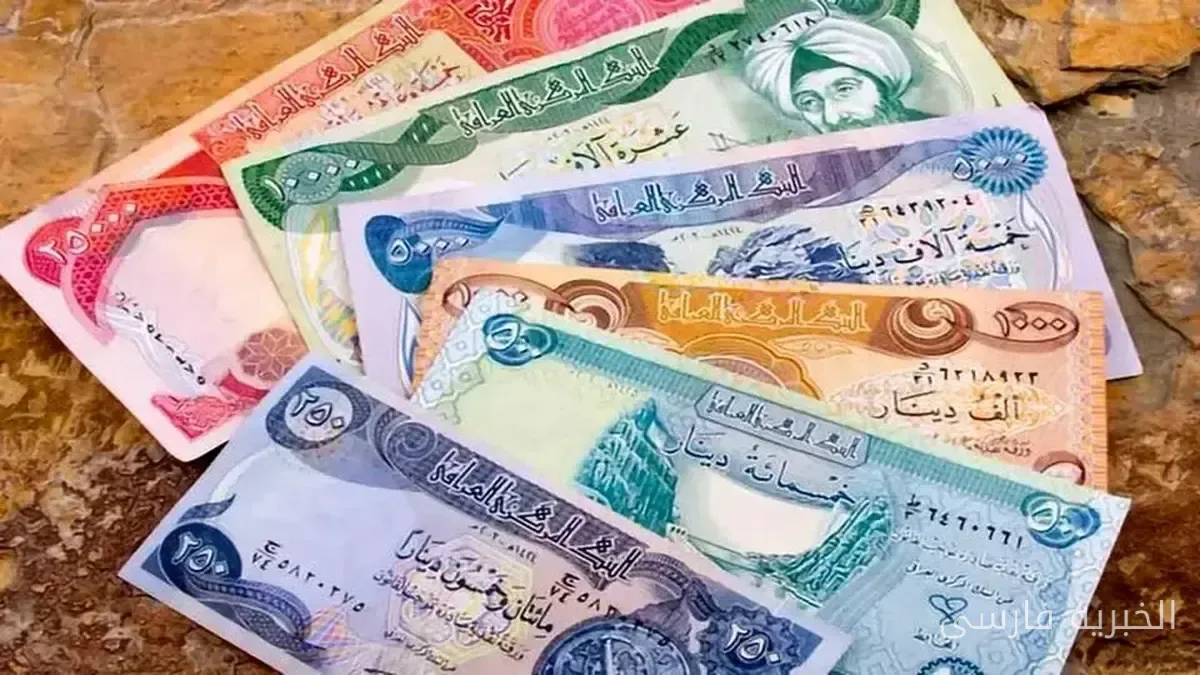
On September 13, 2026, the price of the Iraqi dinar significantly decreased, reaching 150,000 tomans. This sudden change in the Iraqi currency market has attracted much attention and raised questions about the economic future of the country.
Factors behind the decline in the value of the Iraqi dinar
The decline in the value of the Iraqi dinar may be due to multiple factors. On one hand, domestic economic policies and international sanctions could exacerbate this price drop. On the other hand, global fluctuations in oil prices, which are the main source of income for Iraq, also play a significant role in this trend. Given that the Iraqi economy is heavily dependent on oil revenues, any change in oil prices can quickly impact the value of the dinar.
Consequences of the decline in the dinar's value
The decrease in the dinar's value not only affects the purchasing power of the people but can also lead to economic recession. Many economic experts believe that this trend may result in increased inflation and a decrease in foreign investments in Iraq. On the other hand, this situation could lead to increased public dissatisfaction and social protests. Considering Iraq's unstable economic history, these scenarios are by no means far-fetched.
In this context, the Iraqi government and the central bank must take necessary measures to control this situation. The use of financial and economic tools may help alleviate pressure on the Iraqi dinar in the short term, but in the long term, fundamental reforms in the country's economic structure are needed.
Given these conditions, the Iraqi currency market should expect more fluctuations in the coming days, and economic analysts will closely monitor these trends.