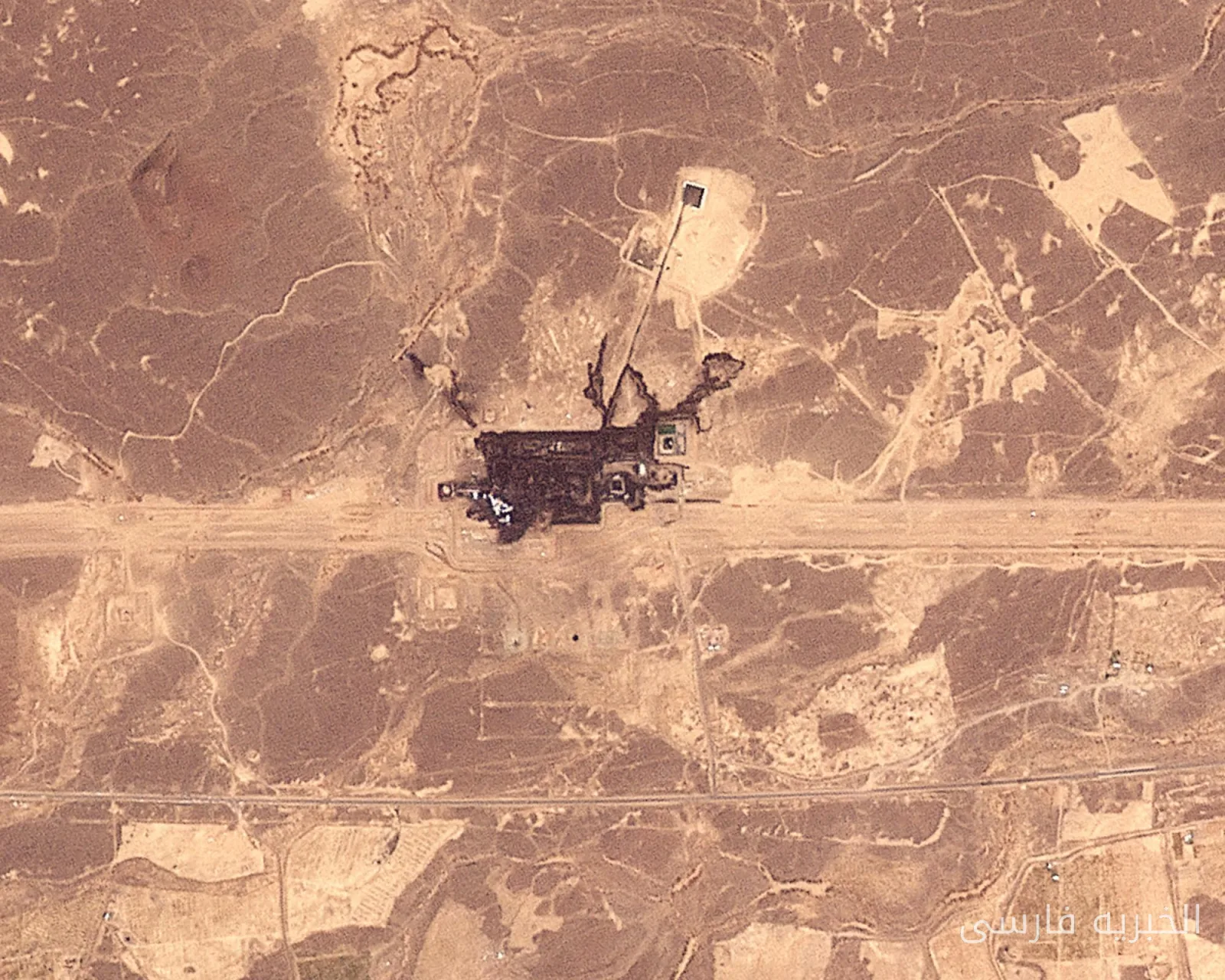
Saudi Arabia announced on Friday that it has temporarily closed its East-West oil pipeline due to drone attacks originating from Iraqi territory. This pipeline, which extends from Abqaiq, near the Persian Gulf, to the port of Yanbu on the Red Sea, is considered one of the country's most important oil export routes.
Efforts to Bypass the Strait of Hormuz
With the onset of war in the Middle East, Saudi Arabia has significantly increased its use of this pipeline to escape the limitations imposed by the closure of the Strait of Hormuz, which is under Iranian control. The closure of this strait could have serious impacts on the oil exports of countries in the region, and for this reason, Riyadh is seeking alternative ways to meet global demands.
Saudi officials have emphasized that this action is temporary and they are assessing the situation and security of the pipeline. However, concerns about rising military tensions in the region and their impact on global oil prices continue to persist.
Economic Consequences
Analysts believe that this blockage could create further volatility in the oil market and lead to rising prices. Saudi Arabia, as one of the largest oil producers in the world, is striving to manage crises to mitigate negative impacts on its economy.
Given the current conditions and escalating tensions in the region, the future of Saudi Arabia's oil exports is seriously at risk. For this reason, the country must seek more sustainable and secure solutions for its oil exports.