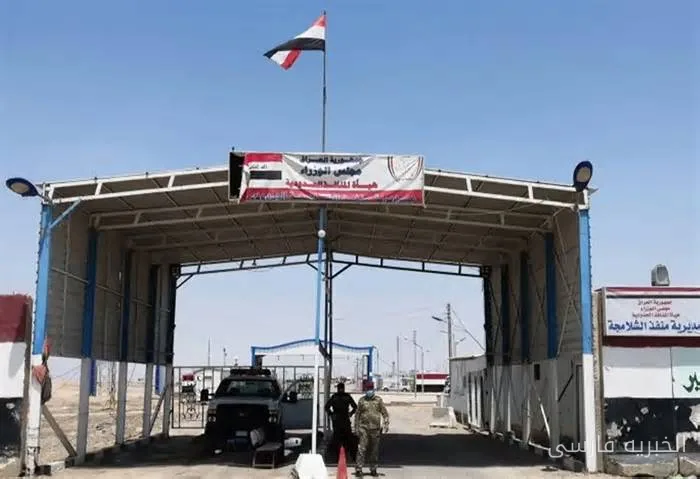
After a long period of closure and restrictions on movement, there is now good news for Iranian and Iraqi travelers and traders. The al-Shib, Shalamcheh, and Mandali border crossings, recognized as the main gateways between the two countries, have reopened to the public and trade.
Economic and Social Impacts
This decision could significantly strengthen economic and social relations between Iran and Iraq. With the resumption of movement at these crossings, it is expected that the volume of trade exchanges will increase and travelers will be able to easily access each other during their journeys. This action is particularly important in the current circumstances, as both countries seek to improve their economic situations.
On the other hand, the reopening of these crossings could lead to a boost in religious and cultural tourism between the two countries. Many Iranian and Iraqi pilgrims who travel to participate in religious and cultural ceremonies will benefit from this new opportunity.
Challenges and Prospects
However, this reopening alone is not enough and requires more attention and cooperation from both countries. While movement has now begun, it seems that officials need to focus on the infrastructure related to security and services at these crossings to provide a safe and comfortable experience for travelers and traders.
Overall, the resumption of movement at the Iran-Iraq border crossings heralds a new era in the communications between the two countries, which could lead to improvements in the economic and social status of both sides. Now, it remains to be seen whether this step can lead to positive changes in bilateral relations or not.