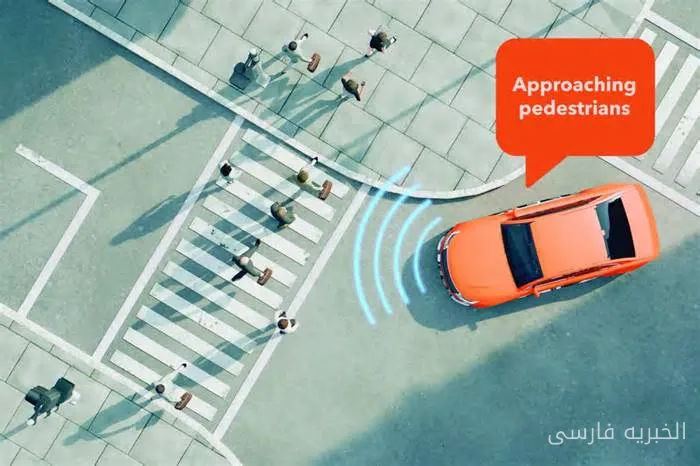
In today's world, autonomous vehicles are recognized as one of the major innovations in the transportation industry. With the rapid development of technology and artificial intelligence systems, these vehicles are no longer just a novel idea but have become a tangible reality. However, there are still many challenges facing this technology, one of which is predicting potential errors in the performance of autonomous vehicles.
Challenges Facing Autonomous Vehicles
While artificial intelligence systems have unparalleled decision-making capabilities while driving, the errors that may occur during this process can have serious consequences. For this reason, a team of researchers has sought a scientific method to predict these errors. This research not only helps improve the safety of autonomous vehicles but can also increase public trust in this technology.
The development of this scientific method can allow engineers and designers to identify the weaknesses of autonomous systems and make necessary adjustments. These improvements can not only prevent accidents but also significantly enhance the performance of vehicles.
The Future of Autonomous Vehicles
Given the continuous development of this technology, it can be expected that autonomous vehicles will be commonly seen on streets and roads in the not-so-distant future. This transformation in the transportation industry could help reduce traffic, save time, and even decrease air pollution. However, for this scenario to become a reality, further research and development are needed, with predicting potential errors being one of the most important aspects.
Ultimately, this new scientific approach can not only contribute to greater safety for autonomous vehicles but can also lead to an overall improvement in urban quality of life. With advancements in this field, we should look forward to a brighter future for autonomous vehicles.