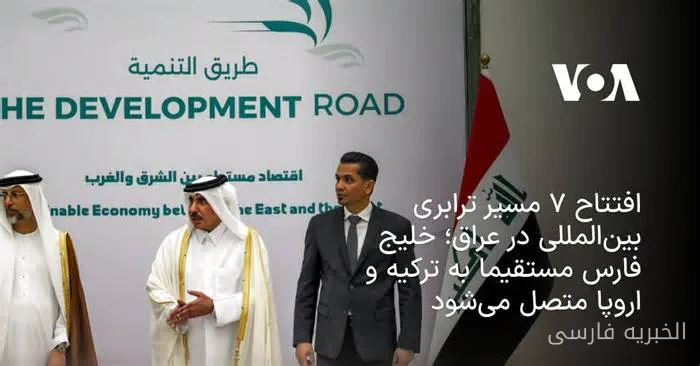
The Iraqi Ministry of Transportation announced on Sunday, September 13, that as part of the development of non-oil sectors, 7 new international transit routes will soon be opened. This initiative is part of Iraq's efforts to become a regional logistics hub, which will have profound impacts on trade and transportation in the region.
Transformation in Transportation Infrastructure
These 7 new routes will directly connect the Persian Gulf to Turkey and Europe and can serve as a bridge between various countries. With the opening of these routes, Iraq will become one of the key transit hubs for goods in the Middle East, and it is expected that these developments will contribute to economic growth and increased investment in the country.
According to officials from the Ministry of Transportation, these projects will be operational for 8 months, aiming to reduce dependence on oil revenues and develop the non-oil sectors of the country. This initiative will not only help boost the economy but will also create new job opportunities.
Challenges and Opportunities
Despite these positive developments, there are challenges ahead. Improving infrastructure, investing in modern equipment, and ensuring the security of the routes are among the issues that need careful attention. However, Iraq aims to strengthen its role in the global market with these projects and become a key player in regional trade policies.
Overall, the opening of these 7 international transportation routes could be a turning point in the history of transportation in Iraq and serve as a model for other countries in the region. Can Iraq capitalize on these opportunities and become a true commercial hub?