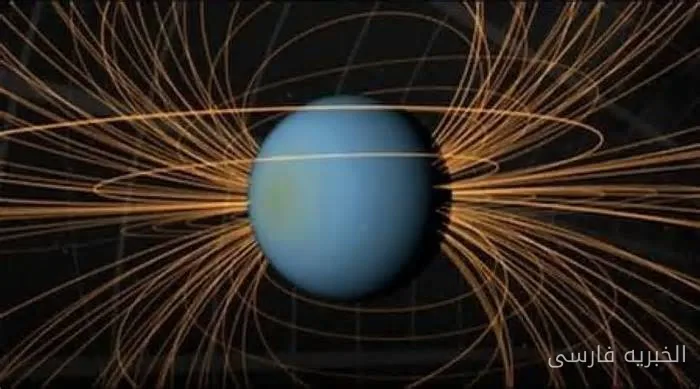
Mercury, the smallest planet in the solar system, has recently attracted the attention of scientists. According to a new study, this planet is contracting at a faster rate than previously thought. This discovery could open a new window into the history and formation of Mercury and raise many questions about the characteristics of this planet.
History of Mercury and New Research
As the closest planet to the Sun, Mercury has always been under scientific and space scrutiny. Despite its small size, there is not much information available about it. It was previously thought that Mercury was slowly contracting, but new investigations have revealed that this contraction is happening much faster than expected.
This study, based on space data and field investigations, shows that over billions of years, Mercury has been continuously losing its volume, and this process is continuing at an accelerating pace. These findings could help improve our understanding of Mercury's atmospheric and geological conditions.
Implications of This Discovery
The rapid contraction of Mercury could help us understand how other planets might also be affected by various factors. Studies suggest that this contraction could be due to internal activities of Mercury such as heating and volcanic activities. Additionally, these changes may also impact the surface characteristics of this planet.
As a rocky planet, Mercury has unique features compared to other planets. Given the new discovery, there may be a need to revise traditional models of planet formation. This discovery could also aid in better understanding the history of other planets.
Ultimately, this study not only helps us better understand Mercury but could also influence future research on other planets. With the rapid advancements in astronomy and space studies, discovering and understanding Mercury could mark the beginning of a significant transformation in how we view planets.