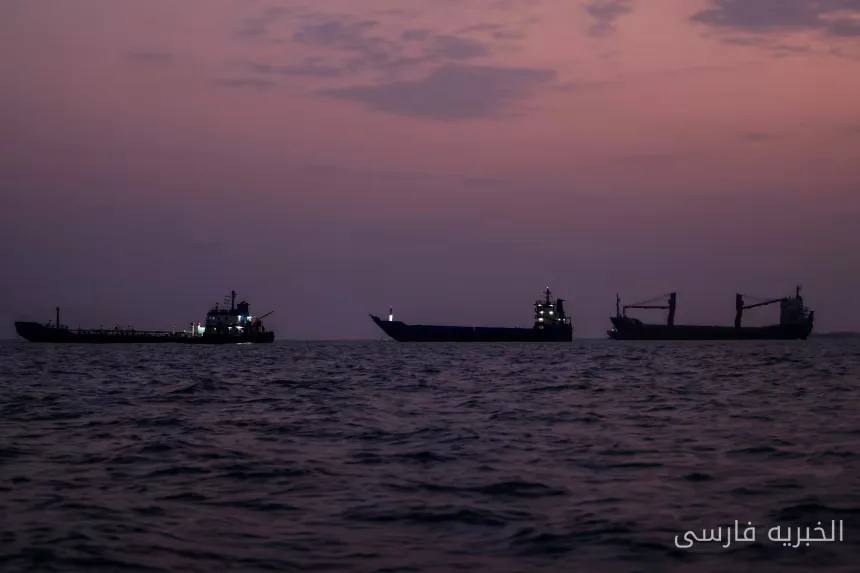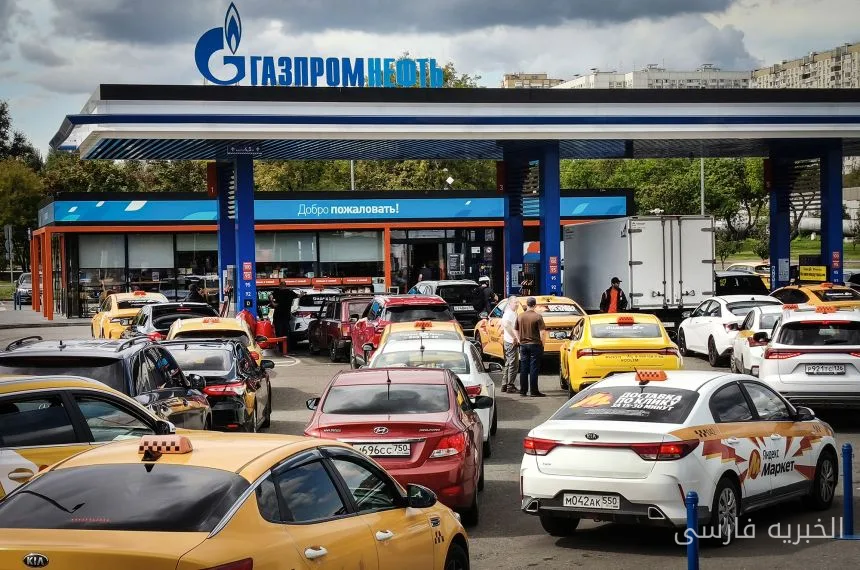
Disruptions in maritime traffic in the Strait of Hormuz and Bab el-Mandeb have posed new challenges to global trade. These disruptions, caused by regional tensions and transportation issues, are showing their destructive effects on the supply chain in energy, food, and fertilizer markets.
Economic Consequences of Maritime Disruptions
The Strait of Hormuz and Bab el-Mandeb are among the most important maritime routes for the transfer of oil and raw materials. These two straits are particularly vital for Gulf countries and other oil producers. With disruptions in ship traffic, the supply of oil to the global market faces challenges, which can lead to price increases. Especially in conditions where global markets are affected by economic crises, these disruptions can have deeper impacts on the global economy.
Impacts on Food and Fertilizer Markets
In addition to the oil market, disruptions in maritime traffic also have negative impacts on the supply chain of food and fertilizers. Many countries rely on imports to meet their food needs, and delays in transportation can lead to increased food prices and shortages in the market. Especially in conditions where many countries are grappling with food crises, this situation can exacerbate the circumstances.
Given that maritime disruptions can directly affect prices, economic observers are closely monitoring the situation. Particularly as producers and importers strive to manage their supply chains, the impacts of these disruptions can be widely felt across various economies.
Read more: The U.S. government emphasized staying in Iran and maintaining oil · Kremlin: Instability in the Gulf has severely worsened the global oil market situation