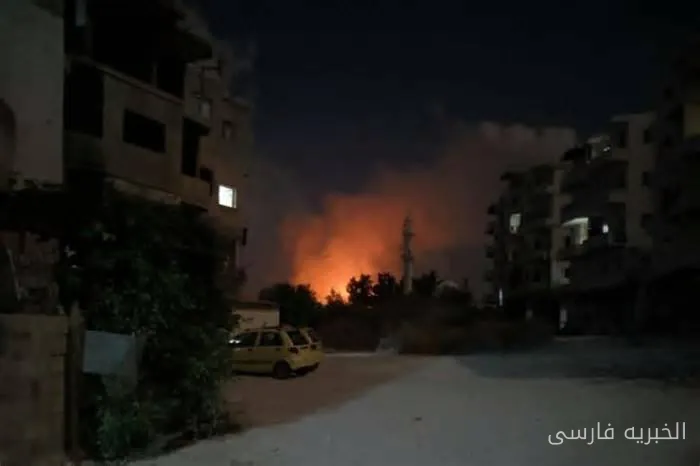
Amid escalating tensions in the Middle East, Israel continues its air and military strikes on various regions of Syria. These actions take place while security negotiations between Damascus and Tel Aviv, mediated by the United States, are ongoing with the aim of reducing tensions and achieving a lasting agreement.
Main Obstacles to Agreement
Despite efforts to reach an agreement, the issue of Israel's occupation of Syrian territories has been raised as one of the main obstacles in these negotiations. Analysts believe that without resolving this issue, any agreement could easily fail. Israel's attacks on military and paramilitary targets in Syria, especially in the southern regions, reflect the instability and existing tensions in this area.
Israeli forces frequently carry out airstrikes aimed at weakening Iranian and Hezbollah-affiliated forces in Syria. These attacks have not only led to an increase in casualties and damages in Syria but have also negatively impacted the security negotiations and reinforced an atmosphere of distrust between the parties.
International Concerns
The international community, particularly Western countries, is concerned about the escalation of tensions in Syria and its implications for regional security. Although the United States has entered these negotiations as a mediator, many believe that without effective pressure on Israel, the talks may not yield results. Meanwhile, Syria is also seeking to strengthen its relations with its allies to enhance its military and political capabilities against Israeli threats.
Ultimately, the situation in Syria appears to be critically urgent, and with the continuation of attacks and negotiations, the future of this country remains shrouded in uncertainty. Only time will tell whether the parties will be able to reach an agreement that ends these tensions or not.