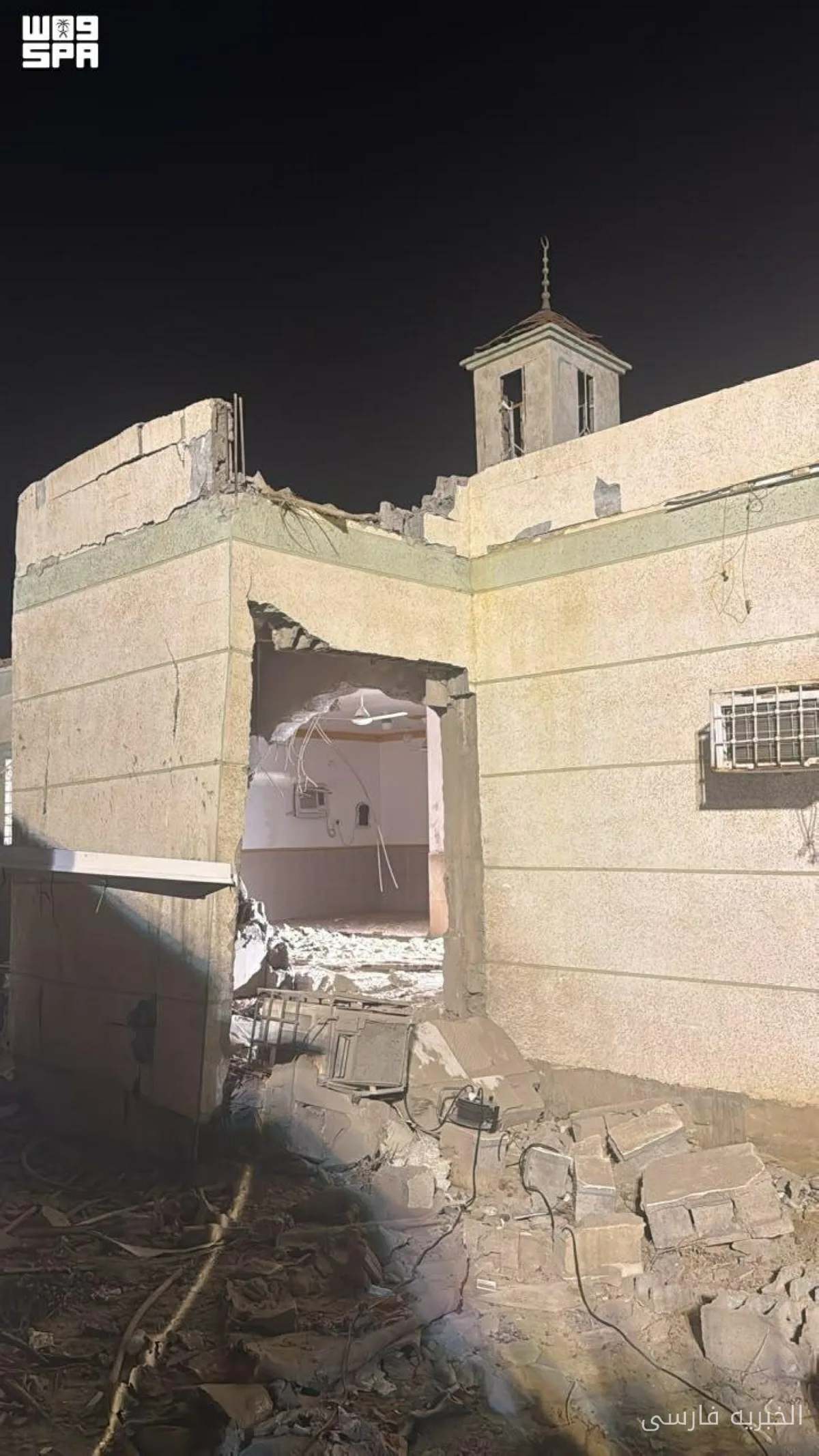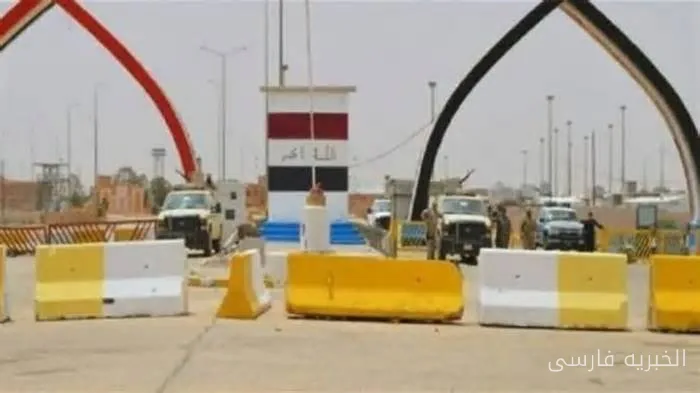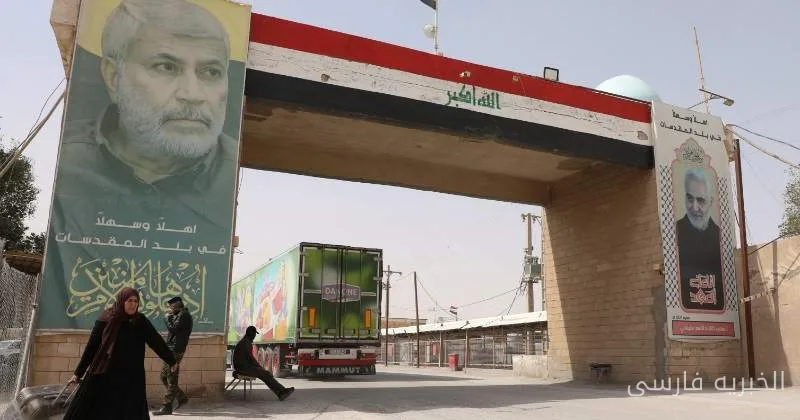
Following the recent attack on the Saudi oil pipeline, Iraq has decided to close three border crossings with Iran. These crossings include Shalamcheh, Chazabeh, and Al-Tayeb, where the movement of goods and passengers has suddenly come to a halt.
Why Was This Decision Made?
This decision comes as a drone attack from Iraqi territory on the East-West pipeline in Saudi Arabia has created new tensions in the region. This attack, aimed at damaging Saudi oil facilities, has raised security concerns regarding border and commercial activities.
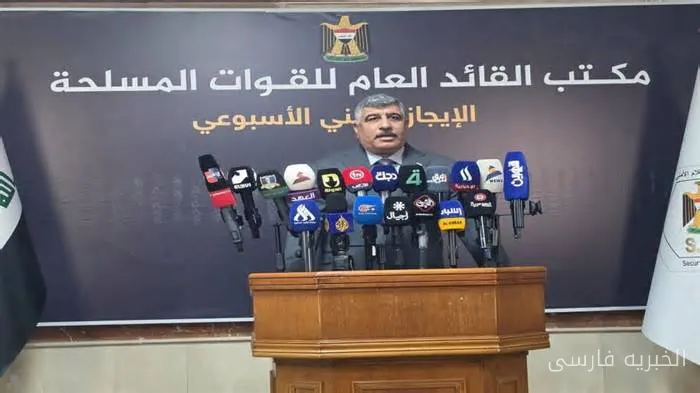
Iraqi officials, citing the need to maintain national security, have regarded this action as a precautionary measure to prevent any further escalation. The closure of these crossings means a halt to trade and travel on one of the most important communication routes between the two countries, which could have serious economic repercussions for both sides.
Economic and Political Consequences
The closure of the crossings not only affects the trade and economy of both countries but could also lead to increased political tensions between Baghdad and Tehran. This action comes at a time when Iran and Iraq are seeking to strengthen their economic and commercial relations, and this decision could soon cast a shadow over these collaborations.
However, analysts believe that this Iraqi action may somewhat indicate a shift in security approaches in the region. While Iran and Iraq are looking to reduce tensions, such actions demonstrate that security challenges remain a priority and need to be carefully examined.