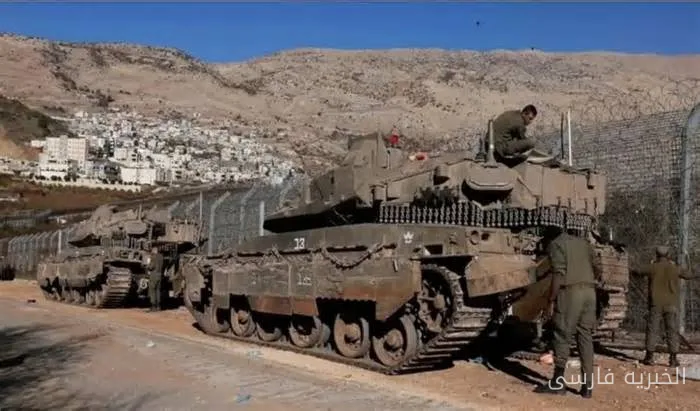
In a serious development in the region's geopolitics, Iran and its allies have managed to take control of a strategic island in the Red Sea. This island, located in a vital waterway, could play a significant role in the future balance of power in this region.
Potential Impacts on Regional Equations
Controlling this island allows Iran and its allies to have greater oversight over maritime traffic in the Red Sea. This issue could strengthen Iran's position against its regional and global rivals. Additionally, this action could escalate tensions in this sensitive region and lead to military or diplomatic reactions from other countries.
The seized island, recognized as a strategic point in maritime routes, is particularly crucial for oil and gas trade and transportation. Given that most countries in the region, including Saudi Arabia and Egypt, have a strong dependence on the Red Sea, these changes could also impact the global economy.
International Reactions
With the seizure of this island, it is expected that Western countries, especially the United States, will respond to this action. These countries may seek new sanctions or increase their military presence in the region to diminish Iran's influence. Furthermore, this development could lead to the establishment of new negotiations among global and regional powers.
Ultimately, developments in the Red Sea signify major changes in the power structure in the Middle East. This island could serve as a new focal point for tensions and potential conflicts in the future, and it remains to be seen what measures other countries will take to address this situation.