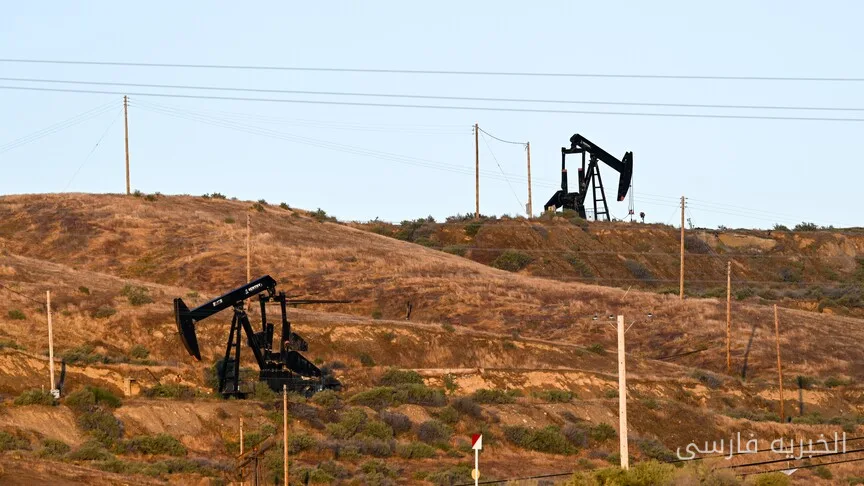
The Federal Reserve of the United States is examining the impact of rising oil prices on the country's economy and making new decisions regarding monetary policy in a week that has led to an increase in oil prices. The rise in oil prices over the past few weeks has raised new concerns about inflation rates and their implications for economic policies.
Rising Oil Prices and Their Impact on Inflation
Oil prices in global markets have faced a significant increase, which could lead to higher transportation and production costs. Economic analysts believe that rising oil prices act as one of the main factors contributing to inflationary pressures in the U.S. economy. If this trend continues, we will likely see an increase in the prices of goods and services in the market.
Read more: Kurdistan Region's Support for Baghdad's Investigations into Attacks on Saudi Arabia
Federal Reserve Decisions in Response to Economic Challenges
The Federal Reserve, as the institution responsible for monetary policy in the United States, typically reacts to economic and inflationary changes. This week, Federal Reserve officials will decide to review interest rate changes in order to control inflation and maintain economic stability. These decisions could have significant impacts on the country's financial and economic markets.
Given that inflation rates have reached high levels in recent months, the Federal Reserve is working to prevent economic crises by adopting appropriate measures. This institution aims to prevent the intensification of inflationary pressures by adjusting interest rates and maintaining balance in the market.
Ultimately, considering the current conditions of the oil market and its impact on the U.S. economy, the Federal Reserve is in a sensitive position and must carefully make its decisions to prevent further economic problems.
Read more: Saudi Arabia and Four Gaming Giants: A Revolution in the Gaming Industry · Reducing Rent Burden to 15% of Household Income in Saudi Arabia