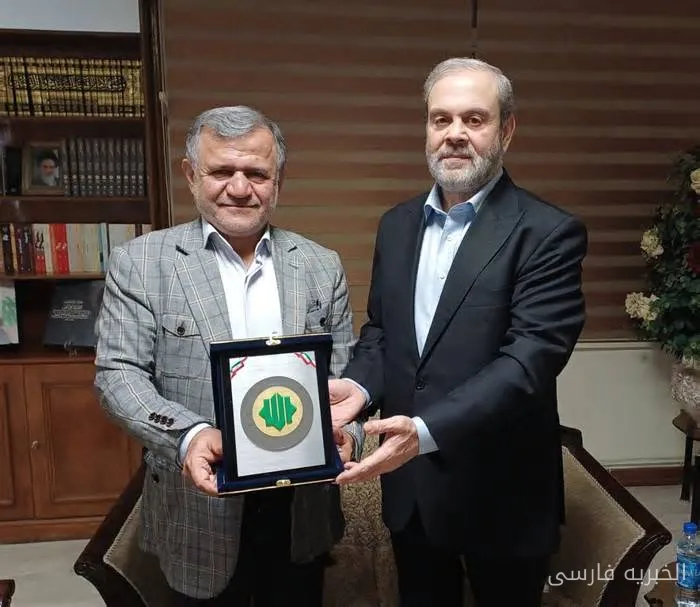
In an important and controversial meeting, Mohammad Ali Amani, the Secretary-General of the Islamic Motalefeh Party, met with Sayyid Abdullah Safi al-Din, the Head of Hezbollah's Office in Lebanon, in Tehran. This meeting, held under sensitive regional and international conditions, addressed common issues and strengthened the relations between the two parties.
Historical Relations between the Motalefeh Party and Hezbollah
The Islamic Motalefeh Party and Hezbollah Lebanon have had close relations for decades, and this new meeting will help strengthen these ties. Given the complex political and security conditions in the Middle East, both parties are seeking synergy and the establishment of a common front to face challenges. In this meeting, Amani and Safi al-Din discussed regional, security, and economic issues.
Political and Security Dimensions of the Meeting
The meeting between Amani and Safi al-Din takes place at a time when tensions in the Middle East have reached their peak, and many analysts are concerned about the impacts of this situation on regional relations. This meeting reflects the willingness of both sides to strengthen cooperation and solidarity against common threats. Amani emphasized the importance of unity and solidarity among resistance groups and called for greater synergy in this regard.
According to sources close to both parties, economic issues and international sanctions were also among the topics discussed. In fact, both parties believe that they must work together to address economic and livelihood challenges. Additionally, this meeting can be seen as a response to the hostile policies of certain countries in the region and the world.
Consequences of this Meeting
The consequences of this meeting could be tangible in various political, social, and economic areas. Strengthening relations between the Islamic Motalefeh Party and Hezbollah Lebanon could lead to an increase in the bargaining power of both parties in international and regional arenas. Furthermore, this cooperation could pave the way for the establishment of a common front against shared threats.
Overall, this meeting is not only beneficial for the two parties but also for the entire resistance axis against external threats. In a situation where various countries seek to influence regional developments, this meeting could send a strong message to other countries and groups about solidarity and unity among resistance groups.