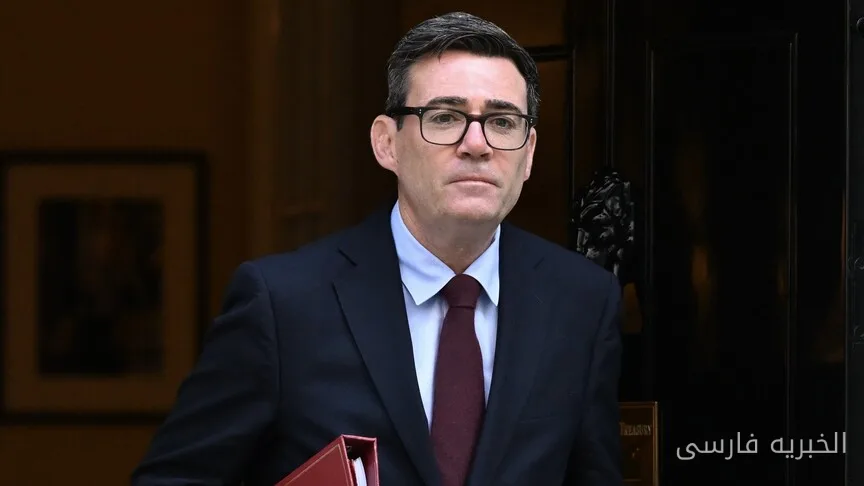
While Donald Trump, the former President of the United States, expressed support for Irish unity during his press conference in Dublin, the British Prime Minister quickly rejected this request, noting the insufficient public support for the idea.
Response from the British Prime Minister
The British Prime Minister emphasized the internal and political issues in Ireland, stating that the unification of the country requires deeper examination and, importantly, strong support from the people of Ireland. He clearly stated that such support does not currently exist, and therefore, the issue cannot be simply addressed.
Trump, in his remarks, stressed the necessity of achieving a united Ireland, considering it a positive step towards peace and stability in the region. However, it seems that this view does not align with the existing political and social realities in Britain and Ireland.
Challenges Ahead
Despite Trump's statements, the deep historical and cultural realities between Northern Ireland and the Republic of Ireland have created significant complexities in this regard. Specifically, concerns related to national and religious identity in these two regions overshadow any discussions about unity.
The British Prime Minister also referred to the economic and political challenges arising from potential changes in borders, noting that any change in the current status must be done carefully and with consideration for the people's interests. He emphasized that this issue requires time and more serious discussions.
Ultimately, it seems that Trump's proposal has not only faced a negative response from the British Prime Minister but also highlights deeper challenges that exist on the path to Irish unity. Therefore, it remains to be seen whether Trump's remarks can lead to changes in the political approaches of both sides.